
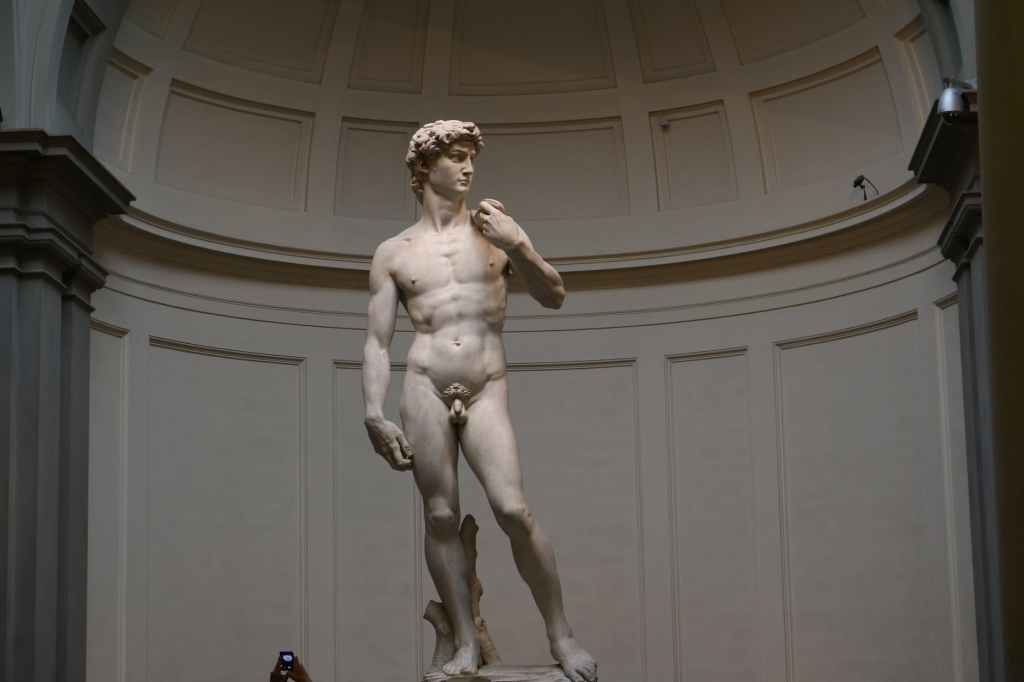
🌞 Hello everyone! I hope you’re all having a fantastic day. I’m thrilled to join this group and engage in a thoughtful conversation about the philosophy of naturism and nudism. It’s a topic that has always fascinated me, and I believe it holds immense value for those who embrace it. I’m particularly interested in exploring the underlying principles, personal experiences, and diverse perspectives surrounding the naturist lifestyle. So, I eagerly look forward to hearing your opinions, insights, and stories. Let’s delve into this wonderful world together and celebrate the beauty of open-minded discussions. 🌿🌍🌺

When embarking on a study of philosophy, one of the crucial initial steps is to establish a clear definition of the subject matter. Philosophers employ specialized definitions that often go beyond the conventional meanings found in dictionaries. The aim is to craft a comprehensive definition that encompasses all aspects intrinsic to the phenomenon while excluding anything that does not belong. The goal is precision in definition, as it lays the foundation for fruitful and focused discussions on the specific topic at hand. By establishing a precise definition, philosophers can delve deeper into the nuances, implications, and complexities of the subject, fostering a more profound understanding and exploration of its philosophical implications.
Defining Nudism
Defining nudism involves capturing the essence of an individual’s preference for being without clothing. At its core, nudism encompasses the choice to experience a state of nudity, but it does not delve into the specific motivations or circumstances behind this preference. Recognizing that people may have varied reasons and situations in which they prefer to be nude, it becomes essential to establish a broad definition that encompasses the diverse range of experiences. This inclusive approach ensures that the definition of nudism remains flexible enough to accommodate the multitude of reasons and circumstances that individuals may have for embracing nudity.
By adopting a broad definition, we acknowledge that nudism can be driven by various factors, such as personal comfort, body acceptance, a desire for freedom, a closer connection to nature, socializing with like-minded individuals, or even as a form of self-expression. Additionally, individuals may choose to be nude in a variety of contexts, including private settings, designated nudist resorts, beaches, or specific social gatherings.
Understanding the breadth and flexibility of nudism’s definition allows for a more comprehensive exploration of the topic. It enables us to delve into the intricacies of why individuals choose nudity as well as the diverse situations in which this preference manifests. Embracing this broader perspective ensures that our discussions encompass the full spectrum of nudist experiences and encourages a more inclusive and enriched understanding of nudism as a philosophy and way of life.
Nudism as a Spectrum
Nudism, as a preference for nudity, can indeed be viewed as a spectrum that encompasses various circumstances and levels of comfort with being naked. This spectrum allows for a nuanced understanding of individual preferences and helps us recognize the diversity within the nudist community.

Functional
At one end of the spectrum, we find individuals who do not enjoy being nude at all. For them, clothing provides a sense of comfort, security, or cultural adherence, and they may not have any inclination or desire to explore nudity as a personal preference. Their preference for nudity may be limited to bathing.
Private
Moving along the spectrum, we encounter individuals who identify as private nudists. These individuals feel comfortable being naked in the privacy of their own homes or personal spaces. They may choose to be nude for reasons of personal comfort, body acceptance, or simply as a way to experience freedom in their personal sanctuary.
Social
Continuing along the spectrum, we encounter social nudists. These individuals find enjoyment and fulfillment in engaging with others while nude. They may actively seek out social nudist environments such as nudist resorts, designated nude beaches, or social events where like-minded individuals gather to embrace their shared preference for nudity. Social nudists find a sense of community and camaraderie in these settings and appreciate the freedom and acceptance that comes with socializing in the nude.
Militant
Beyond social nudism, there is a level that some may refer to as militant nudism. This level represents individuals who hold strong convictions about the benefits and rights associated with nudity. They may advocate for social change, challenge societal norms, and actively promote the acceptance of nudity in various contexts. While the term “militant” may carry a connotation of aggression, in the context of nudism, it refers to a passionate and assertive advocacy for nudity as a valid lifestyle choice.
It is important to note that these three levels on the spectrum of nudism—private nudist, social nudist, and militant nudist—provide a general framework, but they are not exhaustive or definitive. Different individuals may identify with different levels or even fall somewhere in between. Additionally, there may be alternative levels or variations on the spectrum that individuals resonate with, reflecting the unique nuances of their personal preferences and circumstances.
By acknowledging the existence of this spectrum and recognizing the multiple levels within it, we embrace the diversity within the nudist community and foster a greater understanding of the wide range of experiences and perspectives related to nudity. This encourages open dialogue and invites individuals to share their own positions on the spectrum, contributing to a more comprehensive and inclusive understanding of nudism as a whole.
Reasons for Nudism
Indeed, the reasons behind an individual’s preference for nudity can be diverse and multifaceted. People embrace nudity for a wide range of motivations, each personal and unique to their own experiences and beliefs. These motivations can include a desire to be in harmony with nature, to experience the physical sensations of being naked, to explore metaphysical or spiritual connections, to express their sexuality, to advocate for political or social change, to prioritize comfort and freedom of movement, to promote health and well-being, or to fulfill functional needs in specific contexts.
Given the multitude of motivations and perspectives surrounding nudity, it can be valuable to have separate discussions or conversations dedicated to exploring and understanding these distinct aspects. Each aspect, such as the metaphysical or spiritual reasons for embracing nudity, the physical sensations associated with being naked, or the political implications of nudism, can be rich topics in their own right.
Defining Naturism
In terms of defining naturism, it is often considered synonymous with nudism, but some individuals and organizations make distinctions between the two terms. While nudism primarily refers to the preference for nudity itself, naturism tends to emphasize a broader philosophy and lifestyle that encompasses a connection with nature, body acceptance, and a focus on harmonious living.
In an attempt to provide a working definition for naturism, it could be described as a lifestyle and philosophy that promotes a positive and respectful relationship with nature, encourages body acceptance and self-expression, and embraces nudity as a means to connect with oneself, others, and the natural world. Naturism often emphasizes the integration of nudity into everyday life and activities, recognizing the holistic benefits it can bring to individuals’ physical, mental, and emotional well-being.
It is important to note that while this definition offers a general understanding of naturism, there may be variations and interpretations within the naturist community. Some individuals may prioritize specific aspects of the philosophy more than others, and different cultural or regional contexts may shape the expression of naturism in unique ways.
By engaging in conversations and exploring these topics separately, we can delve deeper into the multifaceted aspects of nudity and naturism, fostering a greater appreciation and understanding of the diverse motivations and philosophies that underpin the preference for nudity and its connection to nature and holistic living.
Conclusion
In conclusion, the topic of nudity and naturism is rich with diversity, personal experiences, and philosophical perspectives. By delving into the various reasons why individuals have a preference for nudity and exploring the distinctions between nudism and naturism, we can deepen our understanding of this multifaceted subject. Your thoughts and comments are valuable in expanding the conversation and gaining insights from different viewpoints. I encourage you to share your thoughts, experiences, and questions on this topic, as your contributions can contribute to a more comprehensive and engaging discussion. Let’s embrace open dialogue and celebrate the diversity of perspectives surrounding nudity and naturism.
(I have previously posted this on a nudist forum elsewhere.)
What do you think?
- Have you ever encountered misconceptions about nudism, and how do you address them?
- In what ways do you believe naturism enhances your physical, mental, or emotional well-being?
- How do you incorporate nudity into your daily life, if at all?
- Do you identify more with the private nudist, social nudist, or militant nudist category? Or perhaps somewhere in between?
- What initially sparked your interest in the philosophy of naturism or nudism?
Excerpt
I explore the philosophy of nudism and naturism, defining nudism as an individual preference for nudity and detailing a spectrum of comfort levels with nudity: private, social and militant nudism. Naturism is defined as a lifestyle encouraging body acceptance, self-expression, and connection with nature through nudity. I invite discussion and promote understanding of varying viewpoints on naturism and nudism to enrich the conversation and eliminate misconceptions.
Waldorf and Statler Disapprove

 Treasures of the Elysian Fields
Leave a reply to The Reasons Why People Like to Get Nude – Treasures of the Elysian Fields Cancel reply