
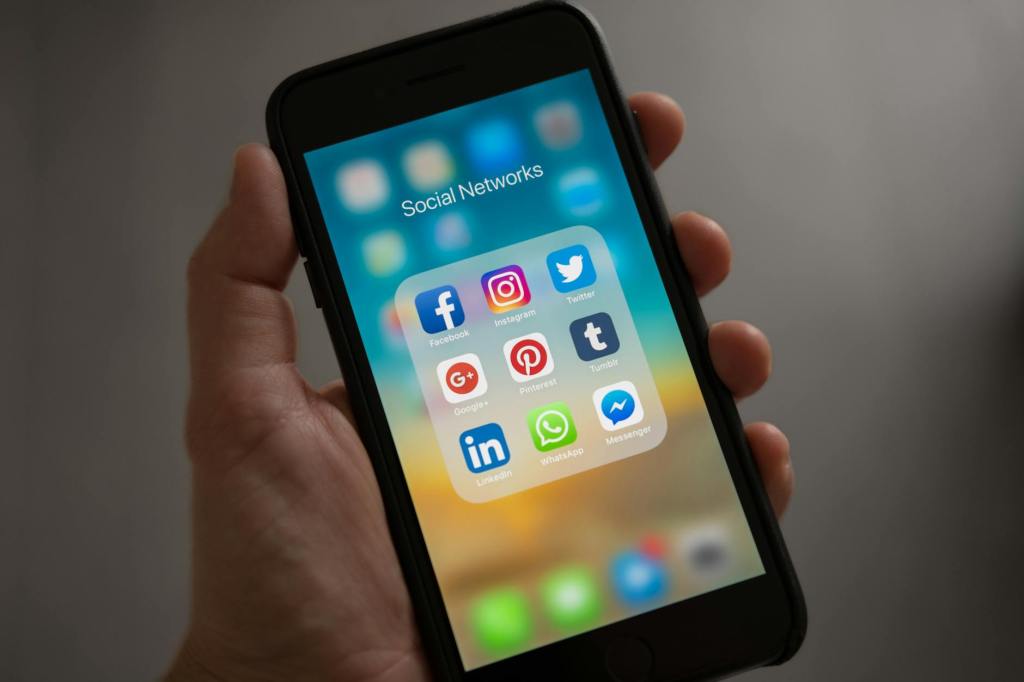
House Passes Bill Potentially Leading to TikTok Ban
In a decisive move, the House voted overwhelmingly on Wednesday to pass a bipartisan bill that could compel ByteDance, the parent company of the popular social media platform TikTok, to either sell its U.S. operations or face a ban on all American devices. The final vote count stood at 352-65, signaling substantial support for the proposed measure.
This swift progression follows an earlier approval by a House subcommittee and sets the stage for further deliberation in the Senate, where notable backing has already been mustered for the initiative. However, reactions from TikTok users indicate a deep-seated concern over the evolving political landscape and its potential repercussions.
The focus has primarily centered around the prospect of a complete ban on TikTok within the United States. Yet, amidst this discourse, there is an alternative possibility: the divestment of TikTok from its parent company, ByteDance. Nevertheless, such a solution appears obstructed by China’s firm stance against any potential sale, effectively reducing the bill’s scope to a singular pathway for TikTok’s future in the U.S. An underlying concern accompanying this legislative push is the potential for retaliatory actions from the Chinese government against American businesses operating in China.
Representative Mike Gallagher of Wisconsin, citing both classified and unclassified national security assessments, underscores the perceived threat posed by TikTok to user privacy and its alleged role in targeting journalists and interfering in elections. However, while officials have asserted these national security risks, tangible evidence linking TikTok to surveillance or propaganda efforts by the Chinese Communist Party remains undisclosed. Nonetheless, experts acknowledge the theoretical plausibility of such exploitation by Beijing for advancing its agenda through the platform.
As the bill progresses through the Senate, the debate surrounding TikTok’s future in the United States continues to unfold against the backdrop of complex geopolitical dynamics and concerns over national security and user privacy.
TikTok Users Revolt
Freshman Democratic Congressman from North Carolina, Rep. Jeff Jackson, found himself at the center of a digital storm when his decision to vote in favor of banning TikTok led to a significant drop in his follower count on the platform, plummeting by over 100,000 virtually overnight. With more than 2.5 million followers prior to the vote, Jackson’s stance elicited disappointment and criticism from a segment of TikTok’s young user base. However, Jackson, a TikTok user himself, addressed the issue head-on, acknowledging the concerns while expressing his commitment to finding a solution that preserves the platform’s accessibility. “I know a lot of you have seen some members of Congress be deeply uninformed about this because they don’t use TikTok and they don’t care,” he stated. “But I do use it, and I think we can solve this problem and keep marching on.” This response underscores his personal investment in the platform and his determination to navigate the complexities surrounding its future.
Editorial: The Case for Banning TikTok
In an era where social media wields immense influence over public opinion and political discourse, the question of whether platforms like TikTok should be subject to stricter scrutiny has become increasingly pertinent. Recent revelations about the potential manipulation of users’ emotions and the filtering of content on platforms like Facebook raise legitimate concerns about the power these platforms hold in shaping narratives and influencing behavior. The link between social media manipulation and political outcomes, as demonstrated in the case of Facebook’s role in elections, serves as a stark reminder of the dangers posed by unchecked digital influence.
A pertinent example of this is Facebook’s 2010 experiment, where it manipulated users’ news feeds to influence their emotions, raising ethical questions about the platform’s reach and impact. The manipulation of individuals’ emotions through tailored content underscores the potential for social media platforms to not only shape perceptions but also sway decision-making processes.
However, the concerns surrounding TikTok extend beyond mere emotional manipulation. With growing apprehensions about China’s involvement in cyber warfare, espionage, and psychological operations, it’s not unfounded to speculate that TikTok could be leveraged as a tool for political influence. Given China’s track record of utilizing various means to further its interests at the expense of Western institutions, the potential for TikTok to be exploited for similar ends cannot be overlooked.
As China engages in a multifaceted struggle with the United States, encompassing both conventional and non-kinetic methods, the implications of allowing a platform like TikTok to operate unchecked become all the more significant. The risk of China using TikTok to disseminate propaganda, manipulate public opinion, and undermine Western values represents a clear and present danger to national security and democratic principles.
In light of these concerns, the call for stricter regulations or even a ban on TikTok becomes not only reasonable but imperative. The protection of individual liberties, democratic processes, and national security interests must take precedence over the unchecked proliferation of platforms susceptible to external influence. While the benefits of social media in fostering connectivity and communication are undeniable, the potential threats they pose cannot be ignored. It’s time for policymakers to take decisive action to safeguard the integrity of our digital ecosystem and protect the democratic ideals upon which our society is built.

Is Banning a Platform the Same as Banning Freedom of Speech?
The assertion that banning TikTok equates to stifling freedom of speech has sparked vigorous debate, raising fundamental questions about the intersection of digital platforms and constitutional rights. TikTok has vehemently argued that prohibiting its operation would infringe upon the free speech rights of millions of Americans. However, it’s essential to distinguish between curtailing individual expression and regulating the platform through which it is disseminated.
A ban on TikTok does not equate to a ban on freedom of speech; rather, it constitutes a restriction on a specific medium of communication. The essence of free speech lies in the ability of individuals to express themselves without government interference, a principle safeguarded by the First Amendment. Importantly, this right is not contingent upon any particular platform but extends to any avenue where expression is possible.
Analogously, envisioning the digital landscape as a virtual town square, a ban on TikTok would be akin to cordoning off a hazardous construction zone where exercising free speech could endanger individuals. In such circumstances, the government’s responsibility lies in ensuring public safety rather than stifling speech. Similarly, regulating TikTok aims to address concerns regarding national security, data privacy, and potential foreign influence, rather than infringing upon constitutional rights.
Critics argue that banning TikTok limits access to diverse viewpoints and stifles creative expression. However, the proliferation of alternative platforms ensures that individuals retain avenues to exercise their right to free speech. Just as one can express opinions in multiple physical locations, the digital realm offers a plethora of platforms where individuals can engage in dialogue, share ideas, and express themselves freely.
In essence, while a ban on TikTok may impact users’ access to a specific platform, it does not curtail their constitutional right to free speech. Rather, it represents a measured response to mitigate potential risks associated with the platform, thereby upholding broader societal interests without compromising fundamental freedoms. As policymakers navigate this complex terrain, striking a balance between protecting national security and preserving individual liberties remains paramount in shaping the future of digital discourse.
Protecting Freedom of Speech: A Vital Pillar of Democracy
Preserving freedom of speech is indispensable to the functioning of a democratic society, serving as the cornerstone of civil liberties and enabling robust discourse essential for progress and accountability. However, navigating the complexities of free speech in the digital age requires a nuanced approach that balances individual liberties with societal well-being.
While the principle of free speech is sacrosanct, it’s crucial to acknowledge that not all speech enjoys legal protection. Speech that incites violence or poses a clear and present danger to public safety falls outside the realm of First Amendment protection. In the realm of social media, where communication transcends physical boundaries, there is a compelling case for restricting content that promotes heinous acts such as human trafficking or disseminates child pornography, safeguarding the vulnerable from harm.
Nevertheless, the regulation of speech on social media platforms must tread cautiously to avoid encroaching upon legitimate expressions of opinion, however controversial or offensive they may be perceived. The diversity of perspectives is integral to a vibrant democratic discourse, and stifling dissent threatens to undermine the very essence of democracy itself. The risk of censorship extends beyond mere inconvenience; it poses a grave threat to individual autonomy and the democratic fabric of society.
Moreover, the specter of censorship looms ominously, capable of morphing into a tool of oppression wielded by those in power. While individuals may initially welcome censorship when it aligns with their ideological leanings, the tides of political fortune are fickle, and a change in leadership could swiftly turn the tables, silencing dissenting voices and eroding the foundations of democracy.
Recognizing these concerns, several members of Congress have championed efforts to safeguard freedom of speech on social media platforms, both from private company policies and government intervention. Through committee testimonies and legislative initiatives, they have sought to uphold the sanctity of the First Amendment and protect the rights of individuals to express themselves freely in the digital sphere.
In a time of rapid technological advancement and evolving social norms, the preservation of freedom of speech remains an ongoing endeavor, requiring vigilance, adaptability, and unwavering commitment to democratic principles. As we navigate the complexities of the digital age, safeguarding this fundamental right must remain paramount, ensuring that the voices of dissent continue to reverberate and shape the course of our collective future.
Here are a few examples:
Jim Jordan Grills Ex-Twitter Exec About Shadowbanning
Jim Jordan Discusses Threats To Freedom From ‘The Mob’
Senator Ron Johnson interview Twitter, Google, & Facebook CEOs on censorship
Reflection
- How do you believe social media platforms should balance the preservation of freedom of speech with the need to regulate harmful content such as hate speech, misinformation, and incitement to violence?
- In your opinion, where should the line be drawn between permissible speech and harmful speech on social media platforms? Should there be stricter regulations in place to prevent the dissemination of content that poses a threat to individuals or society?
- Do you agree with the efforts of some members of Congress to prevent censorship on social media platforms, either by private companies or government intervention? Why or why not? What steps do you think should be taken to protect the First Amendment right to freedom of speech in the digital age?
| Related Posts for Influence & Control Meta-Framework |
| Explore my series exploring the psychological tools, logical distortions, and social mechanisms that shape how influence and undue control operate. |
| Posts | References |
Resources
- Why the House voted to ban TikTok and what could come next https://www.npr.org/2024/03/13/1237501725/house-vote-tiktok-ban
- “Zoomers are turning on the TikTok famous congressman who voted to ban the app.” https://www.msn.com/en-us/news/other/zoomers-are-turning-on-the-tiktok-famous-congressman-who-voted-to-ban-the-app/ar-BB1jYeSK
- TechCrunch Minute: A TikTok ban is looking more and more like impending reality https://techcrunch.com/2024/03/15/techcrunch-minute-a-tiktok-ban-is-looking-more-and-more-like-impending-reality/
- TikTok Ban: Here’s What Wall Street’s Saying—And The U.S. Firms At Risk Of Contagion https://www.msn.com/en-us/money/news/tiktok-ban-here-s-what-wall-street-s-saying-and-the-us-firms-at-risk-of-contagion/ar-BB1jXUxR
- TikTok’s US revenues hit $16bn as Washington threatens ban https://www.ft.com/content/275bd036-8bc2-4308-a5c9-d288325b91a9
- Misinformation, manipulation, and abuse on social media in the era of COVID-19 https://www.ncbi.nlm.nih.gov/pmc/articles/PMC7680254/
- Organised social media manipulation campaigns are now prevalent in 70 countries around the world (more than doubling from 28 in 2017), finds new Oxford Internet Institute report. https://www.oii.ox.ac.uk/news-events/use-of-social-media-to-manipulate-public-opinion-now-a-global-problem-says-new-report/

 Treasures of the Elysian Fields
Leave a comment