
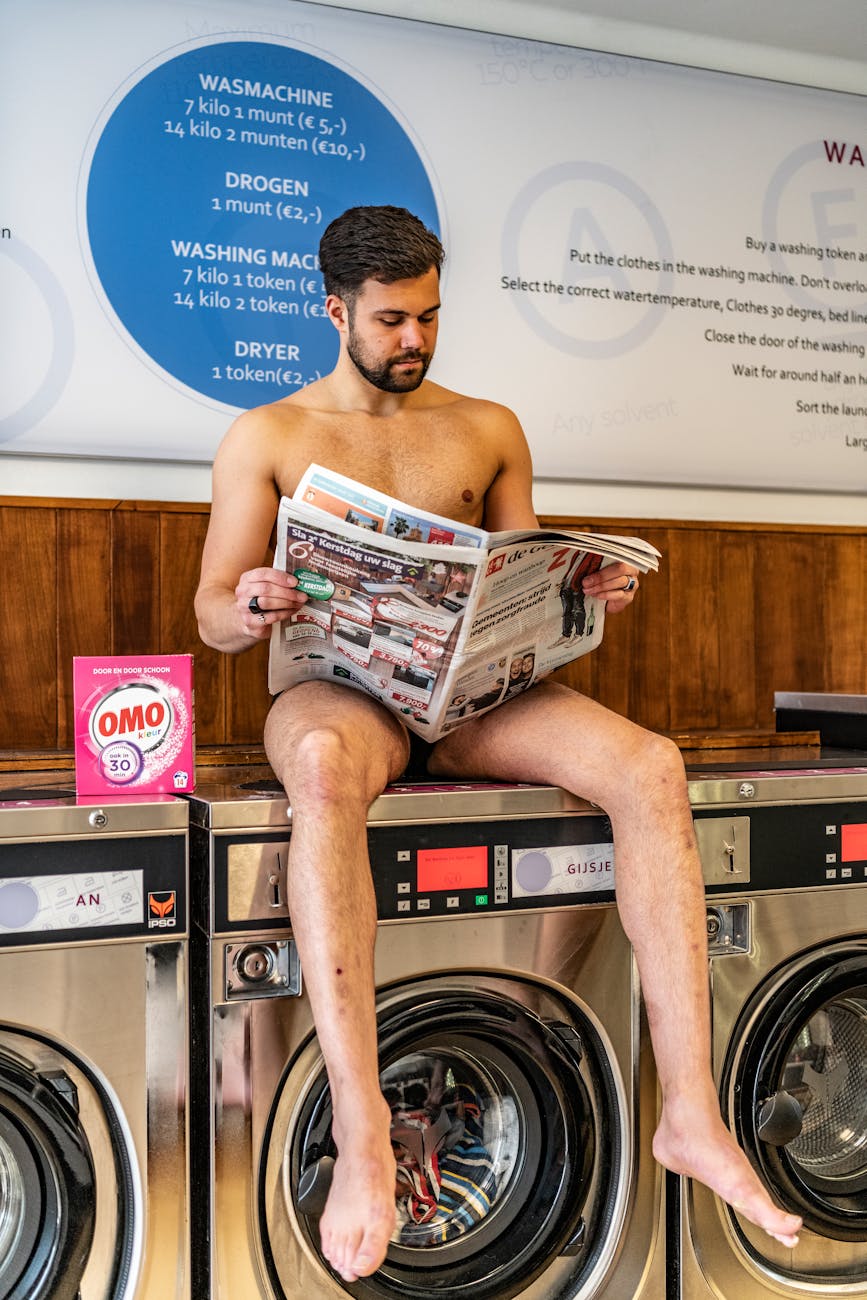
I. Introduction: Returning to Writing on Naturism
It’s been a while since I’ve shared anything here about naturism. Life has a way of filling up with other priorities, and sometimes writing slips to the background. But lately, I’ve had a change in circumstances that’s brought naturism right back to the forefront of my daily life.
“To be naked is to be oneself.” – John Berger
Earlier this year, I moved into a new home with a yard that’s, for the most part, secluded. It’s not completely hidden from a neighbor’s passing glance, but it offers something I’ve never had before—an outdoor space where I can simply be myself. That shift has been transformative.
Working from home has made it even easier to embrace that freedom. I no longer have to wait for weekends or trips to designated places to enjoy being nude outdoors. Now, I can step outside in the morning with my coffee, feel the sun on my skin, and know that this is my space. My sanctuary.
This year has been one of the best in my naturist journey. I’ve been able to spend entire days—sometimes nearly twenty-four hours—without clothes. Not because I have to, but because I can. And that, I think, is one of the purest forms of personal freedom.
Today was a perfect example. I woke up, walked downstairs for coffee, and stepped straight out to the pool—no clothes, no hesitation. The transition from bed to coffee to yard happened without ever putting on a stitch. I plan to stay that way for the rest of the day, unless I need to make a store run. This morning I didn’t even wear flip-flops, and somehow that small detail made the experience feel even more complete—intensifying the sense of connection and freedom.
II. Creating My Outdoor Sanctuary
My new backyard is mostly private, though not completely hidden from the outside world. It’s not about building an impenetrable wall or shutting myself off—it’s simply about creating a space where I can feel at ease in my own skin. I’m not an exhibitionist, and I don’t need an audience. What I value is comfort, authenticity, and the quiet assurance that this is a place where I can simply be.
The yard came in pretty nice shape when we moved in, but we’ve been working to make it more our own. We’ve removed some older plants, brought in new ones, and started shaping the space to fit our style. I have a few large patio umbrellas that I can position strategically to block sightlines and make it harder for neighbors to see in. Still, I’m looking for a more natural solution—something alive and growing. My hope is to agree on a few trees to plant, creating a living screen of foliage that will both enhance the beauty of the yard and add that extra layer of privacy.
There’s something deeply peaceful about having a retreat like this just outside my back door. It’s not a vacation spot I have to travel to; it’s part of my everyday life. Whether I’m swimming, gardening, or simply lying in the sun, the space itself invites relaxation. It’s my own small sanctuary in the middle of an otherwise busy world.
III. The Sensory Joy of Naturism
There is nothing quite like the sun on bare skin—it’s as if the light itself is painting warmth across you, stroke by stroke, until your whole body hums with life. No shirt, no fabric, no barrier—just a direct connection to the source of our planet’s energy.
“I bathed in the icy waters of the stream, reveling in the exhilarating shock and the delicious glow that followed. No luxury of the senses ever equaled the blessing of that baptism.” —John Muir
And then, the plunge. The cool water of the pool rushes over me, a full-body embrace that is invigorating and refreshing. It reminds me of John Muir’s account of skinny dipping in Yosemite, where he described the almost electric joy of mountain water against bare skin. There’s a purity to it—an immediacy—that you simply can’t get when wrapped in clothing.
Gardening nude in my own little “Garden of Eden” has become another favorite pleasure. I can see exactly why there’s a World Naked Gardening Day. There’s something primal about working with the soil this way—so simple, so pure, and yet so profoundly peaceful. It’s a rhythm as old as humanity itself, and in those moments, I feel like I’ve stepped outside of time.
And then, when the day gives way to night, there’s stargazing. Lying back with a cool breeze against my skin, especially after a hot day, is a quiet ecstasy all its own. The air feels almost like water, flowing gently over me as I watch satellites drift by, meteors streak across the black, and constellations turn overhead. I’m grateful that my neighborhood is generally quiet at night—it makes it easier to hear the small, perfect sounds of the evening while the sky slowly turns.
IV. Daily Life Without Clothes
Outside of home, I stick to minimal clothing I go commando whenever I can with as lose fitting clothing as possible—around the house or in the front yard I often wear a sarong, or a kilt when the occasion suits it. I do love to wear a kilt when I can if socially acceptable events come up. I wish more men wore them as a regular clothing option. But the truth is, the less fabric between me and the world, the better. I’ve noticed that when neighbors are outside or working on their roofs, the act of putting on clothes makes me feel… different. Less comfortable. Not because I care if they see me but because I don’t want to have to deal with them afterward.
Just the other day, we had guests over and I had to get dressed. Within minutes, I found myself constantly repositioning my shirt, tugging at it as though it were a straightjacket. It wasn’t about weight gain—it’s about the shift from feeling unencumbered to suddenly being shackled again. Once you’ve experienced the freedom of being clothes-free, wearing fabric feels like willingly putting the chains back on.
I wish more people would explore naturism or nudism—not just as a private indulgence, but as a cultural norm. Imagine if our society embraced something like the Betazed tradition from Star Trek: The Next Generation, where everyone attends weddings nude as a gesture of openness and honesty. On Betazed, nudity isn’t sexualized—it’s simply an authentic expression of self. I can’t help but think how much freer, kinder, and more genuine our world might feel if we shared that same perspective.
V. Breaking Free from Body Concerns
When I first began exploring naturism, I carried the same early worries about body image that many people do. I’ve been to a number of beaches and resorts over the years, and while I had no real issue being nude in the presence of others, there was still a hint of hesitation in the beginning—a quiet voice wondering how I might be perceived. But once I was actually there, surrounded by people who were simply living and enjoying themselves, that concern faded quickly.
Now, those worries hardly cross my mind. I’m not concerned about being seen nude—haven’t been for a while, and now even less so. Two close friends have been especially encouraging in this journey. They’re comfortable with my naturism, and on more than one occasion they’ve joined me in it, sharing meals or conversation without a stitch of clothing. One of them has since moved away, but the memory of that easy camaraderie remains.
Letting go of self-consciousness has unlocked a deeper level of freedom—one that’s not just physical, but mental and emotional. Once you shed the fear of being seen, you realize you’re not really exposing your body so much as you’re exposing your authentic self. And that, I’ve found, is where the real liberation begins.
VI. Liberation from Clothing Constraints
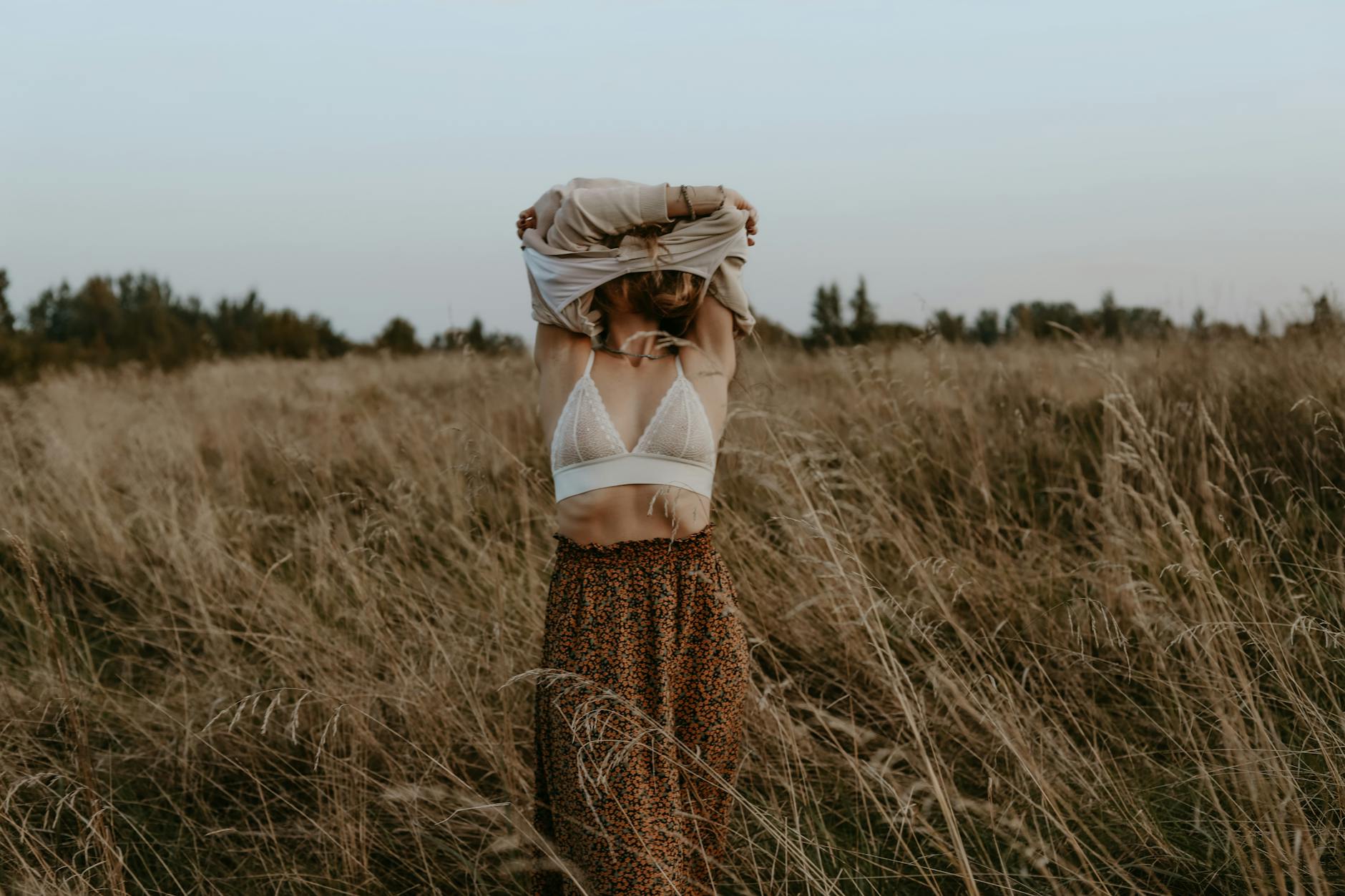
There’s a big difference between wearing clothing out of necessity—protection from the cold, sun, or environment—and wearing it simply because social expectations say you should. Most clothing isn’t even designed for real human variety; it’s made for some statistical “average” body that few of us actually have. That’s why so many shirts tug in the wrong place, pants pinch at the waist, or seams dig in uncomfortably.
The physical relief of removing tight, ill-fitting clothes is immediate. It’s like exhaling after holding your breath too long. For me, taking off clothes is a small but powerful act of becoming free again. It’s truly liberating—unlike anything else—and it’s not just physical. It’s spiritual. When I’m nude outdoors, I feel more in tune with the rhythms of nature around me, like I’ve stepped into a current of life that flows without judgment or pretense. It’s a quiet kind of bliss, as if my skin itself were a set of open windows letting in the light and air.
I take pride in having only one set of tan lines: the ones from my flip-flops. Everything else has been touched by the sun equally. And maybe that’s why I smiled when I thought of the Futurama crew’s trip to the Nude Beach Planet—everyone relaxed, comfortable, and natural. That’s exactly how it feels when you let go of the fabric barrier between you and the world: ordinary, unremarkable, and yet completely extraordinary.
“What a singular fact for an angel visitant to this earth to carry back in his note-book, that men were forbidden to expose their bodies under the severest penalties!” — Henry David Thoreau
Clothing is often used to divide us—marking culture, gang affiliation, social class, profession, sexual orientation, or even political allegiance. It’s a curated costume designed to send signals about who we want others to think we are. Wearing a suit every day isn’t just about formality—it’s a kind of armor, a disguise, a move in the elaborate game society plays. Nudism strips all of that away. What’s left is a human being, without the visible signs of wealth, status, or tribe. In that way, naturism is the great equalizer: all you see is the person, not the persona. (Tattoo’s notwithstanding.)
VII. Naturism as Non-Sexual Freedom
One of the most profound shifts naturism brings is learning to see the body without attaching sexual meaning to it. In a culture where nudity is so often tied to eroticism, it can be surprising to discover that, once you’ve spent enough time around nudity, that automatic connection fades.
In my own marriage, this has had an interesting effect: I think my wife is actually more turned on when she sees me dressed now. True story. Seeing me nude doesn’t automatically trigger erotic feelings, because nudity itself has been desexualized in our daily lives. That doesn’t mean we’ve become prudish—far from it—it just means that nudity, on its own, isn’t a sexual signal anymore. It’s simply the natural state of being human.
This desexualization is one of the most liberating aspects of naturism. Without the constant mental link between skin and sexuality, you begin to accept your own body—and the bodies of others—without judgment or comparison. You’re not thinking about “flaws” or “imperfections” because those ideas lose their grip when nudity is normalized. You simply see people for who they are.
There are also real, tangible health benefits to this lifestyle. Spending more time outdoors without clothing increases your exposure to sunlight, which can boost vitamin D levels, improve mood, and help regulate sleep patterns. The sensation of air and water against bare skin can be both physically stimulating and mentally calming. And, in many ways, the act of being nude in nature feels like a tonic—clearing the mind, relaxing the body, and deepening your connection to the environment.
“Human beings to me are as much a part of nature as trees or birds, and the unclothed body expresses this belongingness directly and powerfully.” – Wynn Bullock
For me, naturism isn’t just a preference—it’s a form of self-acceptance and self-care. And I would invite anyone to try it, even in small, private steps. You might be surprised by how quickly you stop thinking about your body as an object to be judged, and start experiencing it as the home you live in every day.
VIII. The Next Step: Social Naturism
As much as I love the privacy of my own naturist sanctuary, I find myself wanting to take the next step—sharing the experience with like-minded people. There’s something deeply appealing about shared meals, good conversation, or even lighthearted activities while nude. Social naturism feels like a natural evolution of my journey, an expansion of the freedom I’ve already found in solitude.
The challenge is that my wife isn’t quite ready for social naturism. Part of it is practical—her fair skin makes her prone to burning in even mild sun—but part of it is the same fear many of us have felt at some point: the fear of being seen. Having been to nudist beaches and resorts, I can confidently say she has absolutely nothing to worry about. People in those spaces are, for the most part, respectful and focused on the shared experience rather than appearances.
Of course, I also recognize that not every environment is perfect. Many facilities require couples or impose restrictions on single men to deter those who might treat nudist spaces inappropriately. Unfortunately, there are people who ruin it for others, and those safeguards exist for good reason.
I once had a lead on a local group of nude hikers—something I was genuinely excited about—but the organizer seems to have moved away. Hiking is one of those activities where you don’t want to go it alone, and if you encounter others, it’s often better to be part of a group. That loss of connection left a gap I haven’t yet filled.
I sometimes imagine hosting a nude pool party with friends, creating the kind of space I wish existed more often in my own life. I’m not entirely sure why the idea of social nudity holds such a strong pull for me—but it does. Perhaps it’s the sense of community, or the way shared vulnerability builds trust. Maybe it’s simply that naturism feels so good, I want to experience it alongside others who understand. Whatever the reason, the desire is real, and I hope to find the right opportunities to explore it. It does feel like I am missing out on part of life, which is also saddening.
IX. Conclusion: A Season I Don’t Want to End
This summer has been nothing short of transformative. Having the space, privacy, and flexibility to live clothes-free most of the time has deepened my sense of comfort in my own skin and strengthened my connection to the world around me. I hope to continue as much of this lifestyle year-round as possible.
Of course, when the weather turns colder, clothing becomes less about social expectation and more about warmth. I’ve slept naked since I was about twelve—blankets don’t count—but you can’t exactly drag them with you around a cold house. When we first moved in, it was December, and stepping outside was brisk, to say the least. Still, the hot tub was a game-changer. There’s nothing quite like sinking into hot water on a cold, crisp day—unless it’s doing the same thing while snow is falling around you. That’s pure magic.
For now, I can continue this way until our circumstances change. There’s a possibility that in-laws may be living with us in the near future. I don’t mind them—we get along well enough—but I can’t deny that it will mean a loss of the easy freedom I’ve come to enjoy. It will be a loss, and I will be sad, because I don’t know how we could truly maintain this lifestyle with others in the house. I’m not sure how we could deal with it. That’s the nature of life, though. We all make sacrifices, and sometimes the season shifts in ways we can’t control. For now, all is good, and I’ll make the most of every day.
If there’s one takeaway I can offer to others, it’s this: explore your own version of naturist freedom. You don’t have to jump straight into social nudity or live without clothes 24/7. Maybe it’s enjoying a quiet coffee in the morning sun, a dip in the pool under the stars, or just a few hours without the weight of fabric on your skin. However you choose to try it, you may discover—as I have—that it’s not just about being naked. It’s about being free.
Excerpt
This summer, I embraced naturism in my new backyard sanctuary—living clothes-free, connecting with nature, and finding freedom in simplicity. From morning coffee by the pool to stargazing at night, it’s been transformative. Naturism isn’t about sex—it’s about comfort, authenticity, and the joy of being truly yourself.

 Treasures of the Elysian Fields
Leave a comment