
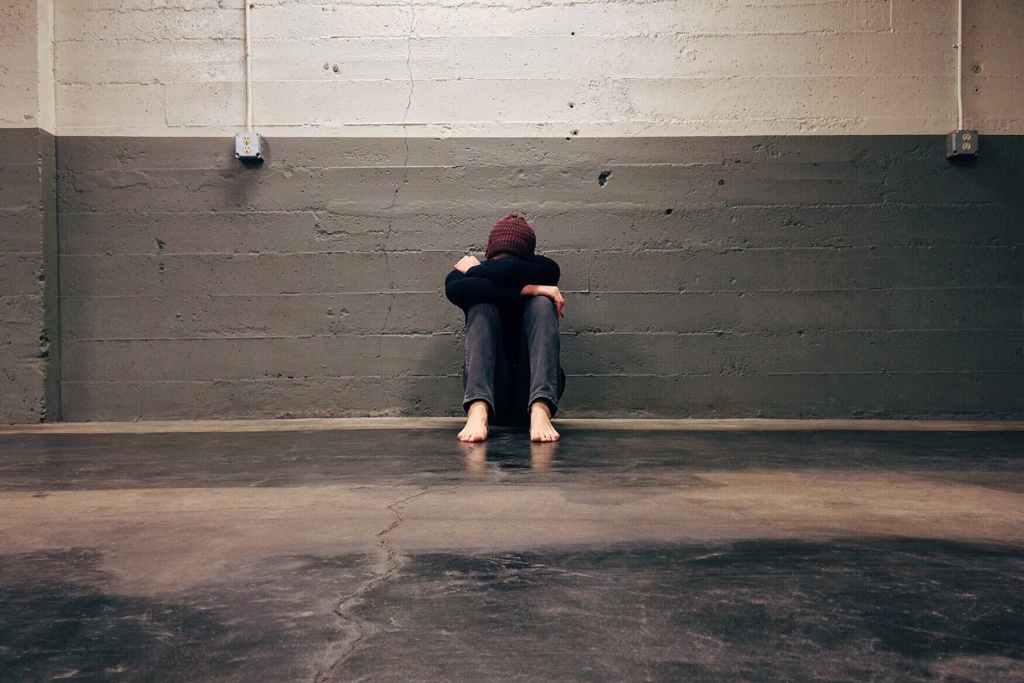
The Weight of Inherited Pain
It is said that hurt people hurt people—a truth as poignant as it is devastating. When unresolved pain festers, it becomes an invisible chain binding one generation to the next, pulling them into cycles of trauma that ripple outward into the lives of loved ones. Such has been the tragic story of my family, where the scars of one generation became the burden of the next, and where survival sometimes meant perpetuating the very harm we sought to escape.
This story is about James, my former father-in-law, a man shaped by his own harrowing experiences and who, in turn, shaped those around him—including my ex-wife and our children. His life was a tangled knot of victimhood and harm, his choices echoing the trauma he endured as a boy and inflicting deep wounds on those he cared for most. It’s a story without a happy ending, a tragedy of human frailty and loss.
Yet, in the telling, there is a purpose: to shed light on the destructive power of generational trauma and to offer a way forward. For my children, and for anyone grappling with the weight of family history, this is a call to understand the past and to confront its legacy. We cannot change what has been done, but by naming it, understanding it, and refusing to pass it on, we can change the future.
This is James’s story, intertwined with the stories of my family. It is raw and painful, but it is also a reminder of the strength it takes to break the chain.
Prologue: The Ghosts of the River
James’s story begins in the heartland of the Midwest, with a tragedy that would cast a long shadow over his life. His father and uncle, both World War II veterans, were men of grit and resolve, molded by an era of shared sacrifice and stoic endurance. But their lives ended abruptly in a car accident that plunged into a river, leaving James, then a young boy, fatherless. The details of that day remain hazy, a swirl of speculation about whether alcohol was involved or if it was merely a cruel twist of fate. What is clear is the irrevocable void it left in James’s life.
This loss not only robbed James of a father but also of the stabilizing force he desperately needed in his formative years. His widowed mother, faced with the daunting task of raising multiple children alone, soon remarried. Enter Gus, a man who would fill the role of stepfather but never of father. Gus was a Jehovah’s Witness, rigid and unyielding in his beliefs, and his presence introduced a new kind of hardship for James and his siblings.
Gus was the kind of stepfather who seemed to view his role with disdain rather than duty. His treatment of James and his siblings veered into the abusive, both emotionally and physically. His religious convictions, which could have offered comfort or guidance, were instead wielded as tools of control. Practical needs, like school clothes or even modest luxuries, were deemed unnecessary indulgences in a world Gus believed to be on the brink of divine transformation. The “new system,” as he referred to it, would soon replace this dying world, making earthly concerns irrelevant—or so he claimed.
James, already grappling with the grief of his father’s death, found himself in an environment where love and nurturing were conditional, if present at all. He carried the weight of blame for incidents he did not cause, from a spilled glass of milk at the breakfast table to a car that rolled downhill after someone failed to set the parking brake. Each event seemed to reinforce a singular message: he was the scapegoat, the one on whom all failures and frustrations could be pinned.
The early years of James’s life were defined by these twin specters of loss and mistreatment. The river that claimed his father also symbolized the emotional torrent that would shape his identity—a cascade of abandonment, resentment, and despair. It was a beginning that offered little hope for healing, laying the foundation for a life shaped by the ghosts of the past.
In James’s story, the river didn’t just take—it left behind a legacy of unresolved pain, setting the stage for a tragedy that would unfold across generations.
The Stepfather’s Shadow
The years that followed James’s father’s death were marked by a profound absence of nurture and an ever-present sense of inadequacy. His stepfather, Gus, ruled the household with a cold, authoritarian grip, his harsh treatment often justified by his interpretation of religious doctrine. In this rigid world, there was no room for the needs or emotions of children.
One of the many ways James’s sense of worth was eroded was through the humiliation he endured over his clothing. As Gus withheld money for basic necessities like school clothes, James was forced to wear outdated, ill-fitting, and often tattered garments. At a time when fitting in with peers was already challenging, this marked him as different—an object of ridicule. The classroom, which could have been a refuge, became yet another arena of shame. He was the boy with the threadbare pants and scuffed shoes, a living reminder of his family’s neglect and dysfunction.
The psychological toll was immense. James began to associate his appearance with his value, internalizing the idea that he was less than others. This sense of inadequacy was compounded by Gus’s messaging, rooted in his Jehovah’s Witness beliefs, that material possessions and even education were irrelevant in the face of an impending new world order. To Gus, spending money on clothes or supporting James’s schooling was a waste in a system he deemed corrupt and fleeting. For James, it was a painful dismissal of his basic humanity.
Gus’s refusal to engage in the simplest acts of care extended beyond clothing. James often spoke of the unrelenting frugality that defined his upbringing. Toys were an unattainable luxury, and even as an adult, when visiting his mother and Gus, this stinginess persisted. Once, during a visit, Gus offered to share a Big Mac between them—an act that seemed less about practicality and more about perpetuating control and disregard.
The constant deprivation wasn’t just material; it seeped into James’s psyche. He bore the brunt of Gus’s frustration, enduring blame for things he didn’t do. Whether it was a spilled glass of milk or a car that rolled downhill, James became the scapegoat for Gus’s anger and failings. Each unjust punishment chipped away at his self-esteem, embedding a deep sense of unworthiness that would follow him into adulthood.
These formative years, filled with humiliation and emotional neglect, shaped the man James would become. He learned early on that his needs were unimportant, that he was expendable, and that love—or any semblance of it—came with strings attached. The scars of these years were invisible but enduring, a weight he carried long after he left Gus’s house.
James’s childhood was more than just difficult; it was a crucible that forged a complex and wounded soul. While many of the stories he shared about those years are lost to memory, the ones that remain paint a vivid picture of the pain he endured. It is a sobering reminder of how the cruelty of one generation can echo through the lives of those who come after.
The Cracks in the Glass
As James transitioned into adulthood, the weight of his childhood traumas did not ease—it evolved, shaping his relationships and behavior in profound and often destructive ways. The psychological wounds from his formative years, left unhealed, found new outlets in the roles he played as a husband and father. The result was a life defined by cycles of depression, self-sabotage, and fractured connections.
By the time I met James, he was on permanent disability for severe depression. His condition had led to multiple suicide attempts, though many appeared to be cries for help/attention rather than genuine efforts to end his life. These attempts became a recurring theme in his relationships, a desperate plea for attention and understanding that often alienated the very people he sought to connect with.
James’s relationship with religion was irrevocably scarred by the abuse and neglect he endured under Gus’s rigid and authoritarian interpretation of faith. For James, religion and God became inextricably linked to the trauma inflicted upon him, with Gus’s weaponization of Jehovah’s Witness doctrines serving as the backdrop for much of his suffering. As an adult, this association triggered a visceral rejection of anything remotely religious or spiritual. Church, scripture, prayer—even the mention of God—elicited anger and disdain. Tragically, this reaction not only alienated him from potential sources of healing but also shut the door to avenues of recovery that might have helped him process his pain. James’s rejection of faith, while deeply understandable given his experiences, left him grappling with his struggles in isolation, further entrenching the cycles of despair that had shaped his life.
For his children, growing up under the shadow of James’s mental health struggles was a unique kind of trauma. One of his sons, worn down by years of emotional manipulation, once lashed out in frustration, telling James to “just take a gun and do it right.” It was a moment that laid bare the toll James’s despair had taken on his family—a mix of deep pain and hardened resentment.
James’s interactions with his children were often volatile. While he undoubtedly loved them, his unresolved issues frequently manifested as anger and control. One particularly harrowing incident occurred when he demanded to use my ex-wife’s car. When she refused, he exploded in rage, throwing the keys at her and striking her in the head. The resulting injury, which left her bleeding, forced her to flee the house and seek shelter with a friend.
The damage James inflicted wasn’t limited to physical or emotional abuse. There were darker forms of abuse, particularly concerning his eldest daughter, who accused him of molestation. Although a family secret, deep behind the skeletons in the closet, this underscored the devastating impact of his own unresolved trauma and the way it perpetuated harm in different and compounding ways.
At the heart of James’s struggles was a deep-seated sense of abandonment and inadequacy that dated back to his childhood. One of the most poignant stories he shared was about his hospitalization as a boy, where he spent six months recovering from a serious illness. His mother visited him only once during that time, and Gus never came at all. That absence, coupled with the bullying he endured at school for soiling himself—likely a consequence of either his illness or his trauma—cemented his feelings of unworthiness.
These experiences created cracks in the fragile glass of James’s identity, fissures that only widened as he tried to navigate adulthood. His struggles with mental health, his tumultuous relationships, and the harm he caused his children were all rooted in the pain he carried from those early years.
James’s story is a stark reminder of how unhealed wounds can ripple through generations, creating patterns of harm that are as devastating as they are difficult to break. While his life was marked by tragedy, understanding his pain—and the forces that shaped him—offers a window into the cyclical nature of trauma and the urgent need to address it.

The Legacy of Trauma
The pain James endured in his own childhood did not stop with him; it became a part of the lives of those closest to him, rippling outward and embedding itself in the next generation. His children, who witnessed and endured his struggles firsthand, carried their own scars from growing up in a home shadowed by his emotional instability and outbursts.
For my ex-wife, her father’s frequent attempts at suicide created an ever-present tension, a suffocating cloud of fear, guilt, and helplessness. It was a burden too heavy for any child to bear. Each attempt felt like a cry for attention, but it also forced his children into the impossible position of trying to save a man who seemed determined to destroy himself. This dynamic left deep wounds, fostering resentment and anger alongside a lingering sense of responsibility for their father’s wellbeing.
James’s anger often erupted in ways that left lasting impressions on his children. My ex-wife was injured by flying car keys, because her father lash out at those closest to him. While the extent of this abuse remains uncertain, its shadow hung heavily over her, shaping her perceptions of trust and safety for the rest of her life.
Perhaps one of the most tragic elements of James’s legacy was the way his unresolved trauma denied his children the stable, nurturing environment they needed to thrive. Instead of breaking the chains of pain that had bound him, James’s struggles perpetuated them, forcing his children to grapple with the same cycles of shame, anger, and unworthiness that had defined his life.
The consequences of this legacy reached beyond his immediate children to his grandchildren, who grew up in an environment infused with emotional manipulation. Reinforced by their mother’s psychological difficulties.
James’s story illustrates how trauma, when left unexamined and unhealed, can shape not only the life of the person who experiences it but also the lives of those who come after. The generational chain of suffering, while devastating, also carries within it the potential for change—for one generation to confront the past and choose a different path. James’s children, scarred but determined, stand at that crossroads, carrying both the weight of their father’s legacy and the hope of creating something better for their own families.
Conclusion: Breaking the Chain
James’s story is one of tragedy, but it also carries an urgent message: the pain we carry does not have to define the lives of those we love. The generational trauma that shaped James’s life—and the lives of his children and grandchildren—could have been stopped had healing been sought and help embraced. Instead, the wounds of his past were left to fester, their echoes reverberating across generations.
If you have been abused, neglected, or otherwise hurt, know this: your pain is valid, and you deserve healing. Seeking help is not a sign of weakness but an act of profound strength. Therapy, counseling, support groups, or even trusted friends and family can offer the tools and compassion you need to process your trauma and begin the journey toward recovery. Carrying your pain alone is not your only option.
Most importantly, recognize that your life profoundly impacts those around you, especially those who love you and are closest to you. Your children, your partner, your friends—they all live in the wake of your choices. Choosing to seek help, to confront the pain rather than pass it on, is not just a gift to yourself but to everyone who cares for you. It is a chance to break the cycle of harm and create a legacy of resilience and love.
James did not have a happy ending, but his story need not be repeated. We can learn from his life the importance of confronting our own pain and seeking the support we need. For his children, and for all of us who see echoes of James in our own stories, this is a call to stop the cycle and build a future defined not by trauma but by healing. You are not alone, and it is never too late to begin.
Notes and Disclaimers
This Is Not an Indictment of Jehovah’s Witnesses
This story reflects the experiences of one individual and the ways in which certain teachings were weaponized within his family. It is not meant to be a critique or condemnation of Jehovah’s Witnesses or their beliefs as a whole. Like any ideology or system of belief, religious teachings can be misused by individuals for harmful purposes. This is a reflection on one family’s story, not a judgment of an entire faith.
If You Are Experiencing Suicidal Thoughts
If you are struggling with thoughts of suicide, please know that you are not alone, and there is help available. Contact the Suicide Prevention Hotline at 988 (in the U.S.) or a similar service in your country. Reaching out for help is a courageous and brave step toward healing. You are worth saving, and there are people who care about you and want to support you.
Final Thought
Sharing this story is not about blame but about understanding and healing. If this resonates with your own experiences, know that support is available, and change is possible. Healing begins with reaching out and taking the first step toward breaking the chains of trauma and creating a brighter future.
Excerpt
Hurt people hurt people—a truth at the heart of James’s story, where unhealed trauma rippled across generations, shaping lives with pain and resilience. This post explores his journey, the impact of generational wounds, and the urgent need to seek healing to break the cycle and create a legacy of love.
Resources
- Breaking Generational Trauma With Positive Psychology https://positivepsychology.com/generational-trauma/
- Generational Trauma Therapy: Breaking the Cycle of Inherited Pain https://neurolaunch.com/generational-trauma-therapy/
- Generational Trauma: Breaking the Cycle of Adverse Childhood Experiences https://iuhealth.org/thrive/generational-trauma-breaking-the-cycle-of-adverse-childhood-experiences

 Treasures of the Elysian Fields
Leave a comment