
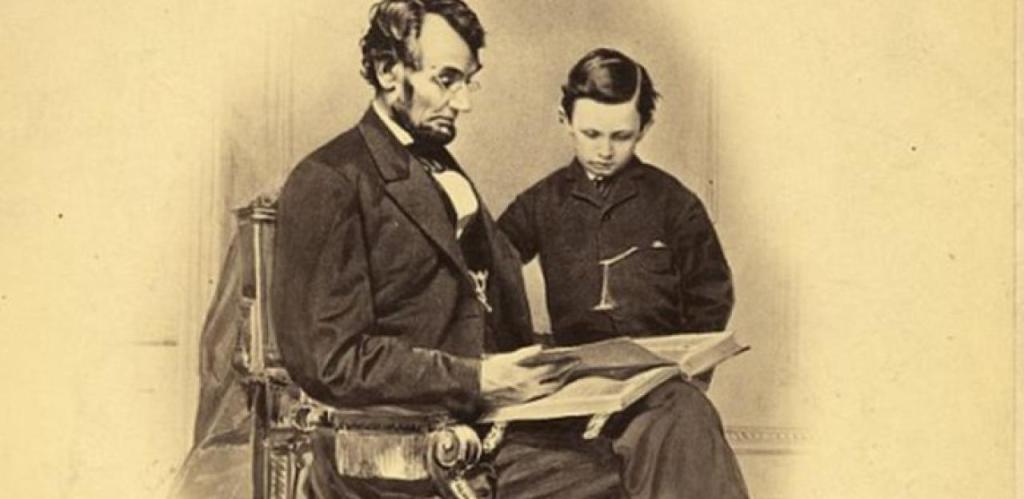
Introduction: Thanksgiving Amid Division and Sacrifice
The next significant milestone in the evolution of Thanksgiving as an American holiday came during the most divisive period in United States history: the Civil War. Once again, the theme of gratitude emerges in the midst of profound hardship. In a previous post, I explored the parallels between George Washington’s and Abraham Lincoln’s proclamations, but here I want to delve deeper into the historical context surrounding Lincoln’s 1863 proclamation.
Understanding the background of this moment is essential to appreciating the evolution of Thanksgiving as a uniquely American tradition. The proclamation came at a time when the nation was fractured, grappling with a bloody civil war that threatened its very existence. For me, the enduring lesson from this chapter in history is clear: never take your country for granted. A nation is a fragile construct, held together by shared values, unity, and effort.
Lincoln’s proclamation also marks a shift in Thanksgiving’s themes. It was not only about gratitude for blessings but also about reflection on the sacrifices of those who fought to preserve the Union. While today we have Veterans Day and Memorial Day to honor those who serve and sacrifice for the country, Lincoln’s Thanksgiving proclamation carried an early sense of gratitude for the soldiers who gave “the last full measure of devotion.”
This milestone reminds us of the power of gratitude to bring healing and unity during times of crisis. Let’s explore the historical significance and enduring impact of Lincoln’s proclamation in shaping Thanksgiving as a national holiday.
The Historical Context of Lincoln’s Thanksgiving Proclamation
By 1863, the United States was enduring the greatest internal threat in its history: the Civil War. This conflict, which had erupted in 1861, pitted the Union against the Confederate states that sought to secede, threatening to tear the nation apart. The war brought immense bloodshed, suffering, and grief, testing the very existence of the republic that had been painstakingly established less than a century earlier. Amid this turmoil, Abraham Lincoln sought ways to inspire hope, unity, and a shared sense of purpose among Americans.
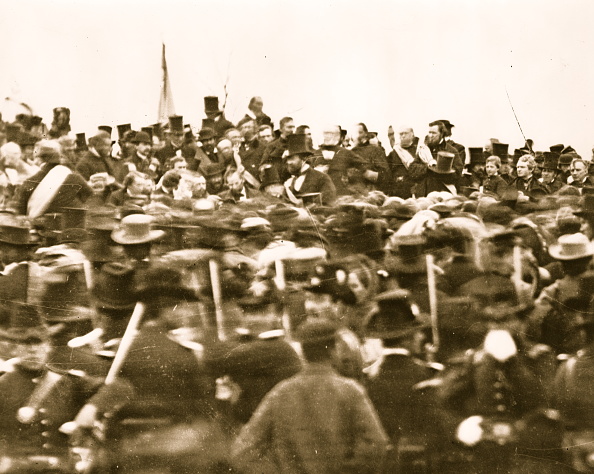
Lincoln’s Thanksgiving Day Proclamation, issued on October 3, 1863, and his Gettysburg Address, delivered on November 19 of the same year, reflect his attempts to bring moral and spiritual clarity to a divided nation. Though distinct in form and purpose, these two historic declarations share overlapping themes and offer insights into Lincoln’s vision during this pivotal time.
We often don’t associate Lincoln’s Gettysburg Address and his Thanksgiving Proclamation as part of the same historical moment, yet they were deeply interconnected. The Thanksgiving Proclamation, issued shortly after the pivotal Union victory at Gettysburg in July 1863, carried a hopeful tone despite the ongoing conflict. Just weeks later, Lincoln delivered the Gettysburg Address, memorializing the sacrifices made in that critical battle and reaffirming the nation’s commitment to unity and liberty. I believe, the proximity of these two declarations suggests they informed one another, reflecting Lincoln’s dual emphasis on gratitude and purpose during one of the most challenging periods in American history.
A Nation in Crisis
The Civil War was a brutal struggle, marked by horrific battles like Gettysburg, which occurred in July 1863 and resulted in staggering casualties on both sides. The Union victory at Gettysburg was a turning point in the war but came at a tremendous cost, leaving the nation in mourning. In this context, Lincoln’s Thanksgiving proclamation stood as a beacon of resilience and gratitude, urging Americans to focus on their blessings even amidst adversity.
Gratitude would have been profoundly challenging during this time for parents grieving the loss of their sons, young wives mourning their husbands, and children left without fathers. Yet it is in these hardest moments that thankfulness becomes most essential, serving as a source of resilience and a way to find hope amidst the sorrow.
This brings to mind the Exodus of the Israelites from Egypt and the Passover meal, where bitter herbs were eaten to symbolize their suffering, and the lamb served as a reminder of the angel of death passing over them. Even in the most bitter times, there is a greater plan, and it is within that understanding we find our gratitude.
The Gettysburg Address, delivered at the dedication of the Soldiers’ National Cemetery in Pennsylvania, memorialized the sacrifices of those who fought in the war. Lincoln framed their loss as part of a greater moral struggle to preserve the Union and ensure the survival of a government “of the people, by the people, for the people.”
Lincoln’s Thanksgiving proclamation and the Gettysburg Address both emphasize the importance of national unity. In his proclamation, Lincoln called for a day of thanksgiving and prayer to recognize the nation’s blessings and seek healing and reconciliation. Similarly, the Gettysburg Address urged Americans to honor the fallen by committing to a “new birth of freedom,” reinforcing the principles of liberty and equality as the foundation of the nation.
Gratitude was central to Lincoln’s message in the Thanksgiving proclamation. He called on Americans to give thanks for the blessings they still enjoyed, including “fruitful fields,” growing industries, and the resilience of the Union. This focus on gratitude, even in the midst of hardship, served to uplift the nation’s spirit and encourage reflection on the values that bound Americans together.
Both the Thanksgiving proclamation and the Gettysburg Address invoked a higher moral purpose. In the Gettysburg Address, Lincoln framed the Civil War as a test of the nation’s dedication to its founding ideals of liberty and equality. The Thanksgiving proclamation, while less explicitly political, acknowledged divine providence and called for Americans to approach the day with humility and prayer. These declarations underscored Lincoln’s belief that the nation’s survival and success depended not only on military victories but also on moral and spiritual resilience.
Given the timing of these two documents, it is clear that Lincoln was deeply concerned with fostering a sense of unity and purpose. The Thanksgiving proclamation and the Gettysburg Address complemented each other, offering the nation both a moment to pause in gratitude and a call to recommit to its founding principles. Together, they highlight Lincoln’s vision for a nation capable of enduring hardship, honoring sacrifice, and moving forward toward reconciliation and renewal.
Recognition of Others
The establishment of Thanksgiving as a national holiday was not solely the work of Abraham Lincoln. While his leadership and the proclamation itself were pivotal, the contributions of others played a significant role in shaping this historic moment. It is important to acknowledge these figures and their efforts, as they exemplify the collaborative nature of progress during times of national trial.
I want to note that although President Abraham Lincoln issued the 1863 Thanksgiving Proclamation, it is important to acknowledge that the words themselves were crafted by Secretary of State William Seward. Seward’s eloquence and vision played a pivotal role in shaping the proclamation’s themes of gratitude, unity, and divine providence. As in past posts, I believe it is crucial to recognize the contributions of all individuals who played a part in these historic moments. Seward’s significant authorship highlights the collaborative efforts behind this milestone in American history, ensuring that the proclamation’s message resonated deeply during a time of national hardship. His work reminds us of the importance of teamwork in advancing ideas that inspire and unite.
Sarah Josepha Hale may not be a household name, but her persistent efforts were instrumental in the establishment of Thanksgiving as a national holiday. A true unsung hero of American history, Hale’s tireless advocacy ensured that this tradition became a unifying celebration for the nation.
Hale, a prolific writer and editor, devoted decades of her life to promoting Thanksgiving. As early as 1827, while serving as editor of Boston’s Ladies’ Magazine, she began writing essays calling for a national day of gratitude. Her campaign intensified in 1846 when she became the editor of Godey’s Lady’s Book, one of the most influential publications of the time. Through editorials, letters, and articles, Hale worked tirelessly to popularize the idea of Thanksgiving as a national holiday, appealing to its potential to foster unity in a divided nation.
In 1863, during the Civil War, Hale took her efforts to the highest level, writing directly to President Abraham Lincoln. In her letter, she urged Lincoln to use his presidential authority to establish Thanksgiving as an annual national holiday. Lincoln, moved by her appeal and recognizing the need for a unifying tradition during the nation’s darkest hour, issued the Thanksgiving Proclamation on October 3, 1863.
Hale’s efforts extended beyond her appeal to Lincoln. By promoting Thanksgiving in her publications, she ingrained the idea into the public consciousness, laying the groundwork for its widespread acceptance. Her work emphasized the moral, spiritual, and cultural importance of setting aside a day for gratitude, reflection, and community.
Known also for authoring the nursery rhyme Mary Had a Little Lamb, Hale’s contributions to American culture were significant, yet she remains relatively unrecognized for her role in shaping Thanksgiving. Without her 36-year campaign, this cherished holiday might not exist as we know it today.
Sarah Josepha Hale’s story reminds us of the power of perseverance and vision. Her dedication to promoting gratitude and unity through Thanksgiving serves as a testament to how one individual’s efforts can leave an enduring impact on a nation.
Sarah Josepha Hale’s leadership in establishing Thanksgiving as a national holiday aligns with the broader cultural expectations of women during her time. In the mid-19th century, women were often seen as the moral guardians of the home and, by extension, the nation. This belief, part of the “Benevolent Empire,” emerged from the revivalism of the Second Great Awakening, which inspired voluntary societies to address social issues such as temperance, education, and abolition. Hale’s campaign for Thanksgiving fits seamlessly within this framework, as she sought to promote gratitude, unity, and moral reflection through a national holiday—a cause that emphasized the transformative power of shared values and traditions.
Beyond individual contributions, the establishment of Thanksgiving as a national holiday reflected the broader efforts of countless Americans. Ministers, writers, and community leaders helped spread the idea, while ordinary citizens embraced the call for gratitude, even in the midst of the Civil War’s hardships. This collective spirit demonstrates how the contributions of many can amplify a single vision into a powerful movement.
By recognizing the efforts of Seward, Hale, and others, we gain a deeper appreciation for the teamwork and shared purpose that brought Thanksgiving into national prominence. Their work reminds us that historic achievements often arise from collaboration and shared dedication to a common goal.
Themes of Lincoln’s Thanksgiving Proclamation
President Abraham Lincoln’s Thanksgiving Proclamation of 1863 is a profound example of how the holiday intertwines civic, secular, and religious themes. As noted in previous posts, Thanksgiving is a multifaceted celebration, deeply patriotic and uniquely American, blending elements of spiritual reflection with civic gratitude and national purpose.
Lincoln’s message of gratitude carried significant weight during a time of immense suffering. Despite the ravages of the Civil War, he urged Americans to give thanks for their blessings, citing “fruitful fields,” a growing economy, and the nation’s abundant natural resources. At the same time, he openly acknowledged the “lamentable civil strife,” demonstrating the importance of resilience and hope in the face of adversity. This emphasis on finding gratitude during hardship aimed to uplift the collective spirit of the nation.
One of the proclamation’s key goals was fostering national unity. By declaring a single, national day of Thanksgiving, Lincoln sought to create a shared moment of reflection and connection for all Americans. At a time when the nation was divided by war, the proclamation served as a call for unity—not only for those in the North but with the hope that it could eventually resonate with the South as well. This move was particularly significant given the regional differences in Thanksgiving traditions, which had been observed inconsistently across states.
Like George Washington’s earlier proclamation, Lincoln’s call for Thanksgiving highlighted the role of divine providence in the nation’s survival and success. He framed the nation’s blessings as gifts from God and encouraged Americans to seek divine guidance and healing. By appealing to a shared religious framework, Lincoln’s proclamation provided a unifying moral and spiritual foundation that resonated with the deeply religious society of the time.
Lincoln’s 1863 proclamation also set a powerful precedent for Thanksgiving as a symbol of national reconciliation and renewal. By emphasizing gratitude and unity during one of the darkest periods in American history, he framed the holiday not only as a moment of reflection but also as an opportunity for healing and rebuilding. This vision laid the groundwork for Thanksgiving to evolve into a national tradition of collective gratitude, transcending sectional divides.
Lincoln’s efforts transformed Thanksgiving from a sporadic observance into a consistent national holiday. This legacy was later cemented by Congress in 1941, which established the fourth Thursday in November as its official date. Through Lincoln’s proclamation, Thanksgiving became a lasting expression of American unity, resilience, and gratitude, even in the face of profound challenges.
Conclusion
The evolution of Thanksgiving from Washington’s 1789 proclamation to Lincoln’s 1863 declaration highlights the holiday’s ability to adapt to the nation’s needs. For George Washington, Thanksgiving was a celebration of the new republic—a moment to give thanks for the Constitution, unity, and liberty. For Abraham Lincoln, it was a salve for a fractured nation, offering hope and healing during the darkest days of the Civil War.
Both proclamations share enduring themes of gratitude, divine providence, and unity. They exemplify Thanksgiving as a civic, secular, and religious tradition—a uniquely American holiday that transcends divisions and invites reflection on shared blessings and responsibilities. These values continue to shape Thanksgiving today.
In my next post, I’ll explore how Thanksgiving became formally established as a national holiday by Congress in 1941, ensuring its place in American culture for generations to come.
Reflection: The Importance of Gratitude as a Nation
As we consider the historical context of Lincoln’s Thanksgiving Proclamation, it’s worth reflecting on the role of gratitude in fostering unity and resilience, not just individually, but as a nation. Thanksgiving serves as a powerful reminder of the importance of collective reflection and appreciation for our shared blessings. Here are three questions to inspire your own reflections:
- How does practicing gratitude as a nation—especially during challenging times—help us find hope and resilience?
- Consider how national gratitude can serve as a unifying force, even when circumstances feel divided or uncertain.
- What lessons can we take from Lincoln’s call for national thanksgiving during a time of civil war?
- Reflect on how expressing gratitude for blessings, even amidst hardship, can help us focus on what binds us together rather than what tears us apart.
- How can we apply the concept of “corporate thanksgiving” in our communities, workplaces, or families today?
- Think about ways we can cultivate shared gratitude and build stronger bonds within the groups and institutions we are part of.
Gratitude is not just an individual virtue but a collective strength that can inspire unity and hope. Take time to reflect on how embracing this practice can positively impact your life and the lives of those around you.
Excerpt
Abraham Lincoln’s 1863 Thanksgiving Proclamation marked a pivotal moment, transforming the holiday into a unifying national tradition amidst the Civil War. It emphasized gratitude, divine providence, and unity, values still central to Thanksgiving today. Discover the profound historical and cultural significance behind this enduring American holiday.
Reference
- President Abraham Lincoln’s Thanksgiving proclamation, Washington Examiner, https://www.washingtonexaminer.com/opinion/editorials/3242489/abraham-lincoln-thanksgiving-proclamation/
- Abraham Lincoln’s Proclamation of Thanksgiving https://www.battlefields.org/learn/primary-sources/abraham-lincolns-proclamation-thanksgiving
- The Gettysburg Address https://www.history.com/topics/american-civil-war/gettysburg-address
- The Gettysburg Address by Abraham Lincoln https://www.litcharts.com/lit/the-gettysburg-address/themes
- The Gettysburg Address: Lincoln‘s Masterpiece and Its Enduring Legacy https://www.historytools.org/stories/the-gettysburg-address-lincolns-masterpiece-and-its-enduring-legacy
- Understanding the Gettysburg Address Significance in History https://totalmilitaryinsight.com/gettysburg-address-significance/

 Treasures of the Elysian Fields
Leave a comment