
Introduction: The First Thanksgiving in the Americas
In my previous posts, I’ve explored the fascinating roots of the U.S. Thanksgiving holiday, including the Christian virtue of gratitude and the various “first” thanksgivings celebrated by European explorers and settlers in the Americas. Now, it’s time to turn our attention to the true first thanksgiving—the thanksgiving celebrations of Indigenous peoples in the Americas. Though these events are lost to recorded history, we can be confident that thanksgiving was deeply ingrained in their culture and rituals long before Europeans arrived.
Thanksgiving celebrations among Indigenous peoples were not isolated events but integral to their way of life, reflecting a spiritual connection to nature, gratitude for sustenance, and communal rituals. The first thanksgiving on this continent likely occurred thousands of years ago, perhaps when Native Americans first settled in the Americas or during an early harvest or hunting season. While we may never know the specifics, the cultural and spiritual traditions of Indigenous peoples give us insight into their expressions of gratitude.
It is also essential to recognize that Native Americans have had a lasting impact on Thanksgiving as we know it today. Their practices, knowledge, and influence are woven into the story of this holiday and into the broader tapestry of American history. In this post, I will delve into the diversity and depth of Indigenous thanksgiving traditions, explore how they contrast with European practices, and reflect on the significance of their contributions to this uniquely American holiday.
Thanksgiving Celebrations in Indigenous Cultures
Long before Europeans set foot on the Americas, Indigenous peoples celebrated thanksgiving in deeply meaningful ways that reflected their spiritual connection to the land and the cycles of life. These thanksgiving traditions were not isolated events but integral to their worldview and way of life, emphasizing gratitude, balance, and community.
Connection to the Harvest
For Indigenous peoples, thanksgiving often revolved around the cycles of planting and harvest, a natural rhythm that sustained life and connected humans to the land. These celebrations expressed gratitude not only for the harvest but also for the interconnectedness of all living things—plants, animals, and humans working together in harmony.
Corn, a sacred crop for many tribes, especially in the Northeast, Great Plains, and Mesoamerica, held a central place in these ceremonies. It symbolized sustenance, life, and abundance.
The Three Sisters—corn, beans, and squash—were celebrated together, as their cooperative growth symbolized balance and mutual support. Grown in a symbiotic relationship, these crops represented the interconnectedness valued in Indigenous cultures.
Game and fish also played an important role in thanksgiving rituals. Tribes that relied on hunting or fishing expressed gratitude for the animals’ sacrifices, acknowledging their role in sustaining human life.
Through these practices, Indigenous peoples honored the land as a provider and recognized their responsibility to maintain balance and harmony within the natural world.
Themes of Gratitude
Indigenous thanksgiving celebrations were deeply spiritual, often directed toward the Creator, the Great Spirit, or other spiritual forces believed to provide sustenance and life. Gratitude extended beyond individual achievements or harvest success to include the broader cycles of growth, renewal, and harmony with nature.
Corn and agricultural abundance were common focal points of these ceremonies, reflecting the critical role of crops in their survival. The natural cycles of growth and renewal were seen as sacred, with thanksgiving ceremonies acknowledging the interconnectedness of all life.
Indigenous peoples expressed their gratitude not only in words but also through rituals and acts of care for the earth, reinforcing their belief in reciprocal relationships with nature.
Feasting and Ceremony
Thanksgiving celebrations often featured feasts that brought communities together to share food, tell stories, and perform traditional dances. These communal events strengthened bonds within the community and served as opportunities to pass down cultural traditions.
- Iroquois Harvest Festivals: The Haudenosaunee (Iroquois Confederacy) held major autumn ceremonies that included expressions of gratitude for the Three Sisters and featured traditional dances, music, and storytelling.
- Green Corn Festivals: Southeastern tribes, such as the Cherokee and Creek, celebrated the ripening of the corn harvest with rituals of purification, fasting, feasting, and renewal. These events marked the first harvest and symbolized new beginnings.
- Northwest Coastal Ceremonies: Tribes in the Pacific Northwest honored the salmon during their migrations, holding ceremonies to thank the salmon for sustaining their communities and ensuring their return.
- Pueblo Ceremonies: In the arid Southwest, Pueblo peoples combined thanksgiving with prayers for rain, essential for their survival and agricultural success.
These feasts and ceremonies were not just celebrations; they were acts of communal gratitude, reinforcing cultural and spiritual values.
Spiritual Dimension
Indigenous thanksgiving celebrations were profoundly spiritual, rooted in a worldview that emphasized harmony, reciprocity, and the cyclic nature of life.
- Harmony with Nature: Indigenous peoples believed that humans were an integral part of the natural world, with responsibilities to care for the land and its creatures. Thanksgiving ceremonies reflected this belief, honoring the earth’s gifts while maintaining balance within ecosystems.
- Cyclic Time: Unlike the linear view of progress often held by European settlers, Indigenous cultures saw life as a series of interconnected cycles, such as the changing seasons. Thanksgiving celebrations were part of these cycles, marking transitions and renewals.
- Reciprocity: Gratitude was not just expressed in words but also through actions. Indigenous peoples cared for the earth and its resources, giving back to the land through rituals and sustainable practices.
Through their thanksgiving celebrations, Indigenous peoples demonstrated a profound respect for the natural world and a deep understanding of their interconnectedness with it. These traditions remind us that thanksgiving is not merely about receiving but about maintaining balance, fostering relationships, and honoring the gifts of life.
Examples of Indigenous Thanksgiving Ceremonies
Indigenous thanksgiving traditions varied across the Americas, reflecting the diverse environments and cultural practices of the people who lived there. These ceremonies were deeply rooted in local resources, spiritual beliefs, and communal values, offering a rich tapestry of gratitude in action.
Regional Highlights
Different regions had unique thanksgiving ceremonies, tied closely to the specific resources and cycles of life that sustained their communities:
Iroquois Harvest Festivals:
Among the Haudenosaunee (Iroquois Confederacy), thanksgiving was celebrated throughout the year, with major ceremonies in autumn to honor the harvest of the Three Sisters—corn, beans, and squash. These festivals included storytelling, traditional dances, and communal feasting, expressing gratitude for the bounty of the earth.
Green Corn Ceremony (Cherokee, Creek):
Celebrated by Southeastern tribes like the Cherokee and Creek, the Green Corn Ceremony marked the ripening of the first corn harvest. This event combined rituals of purification (such as fasting), feasting, and renewal, symbolizing a fresh start for the community and gratitude for the sustenance provided by the harvest.
Northwest Coastal Salmon Ceremonies:
For tribes in the Pacific Northwest, the return of the salmon was a life-sustaining event. Ceremonies were held to honor the salmon’s role in their survival, with songs, dances, and rituals ensuring the fish would continue their annual migration.
Plains Buffalo Dances:
Plains tribes like the Lakota and Cheyenne performed Buffalo Dances to give thanks for successful hunts. These ceremonies expressed gratitude to the spirits of the buffalo for their sacrifice and sought to ensure future abundance.
Pueblo Ceremonies:
In the arid Southwest, Pueblo peoples combined thanksgiving with prayers for rain, essential for agricultural success. Their ceremonies included intricate rituals and offerings to honor the land and its life-giving resources.
California Acorn Harvests:
Indigenous nations in California celebrated the annual harvest of acorns, a staple food source. These thanksgiving feasts featured songs, dances, and communal meals, expressing gratitude for the abundance of this vital resource.
Ceremonial Practices
While the specific rituals varied, certain ceremonial practices were common across Indigenous thanksgiving events:
Sacred Herbs and Purification:
Many ceremonies included the use of sacred herbs, such as tobacco or sage, for purification and prayer. These practices symbolized the spiritual cleansing of individuals and the community, aligning them with the natural cycles of renewal.
Dances and Songs:
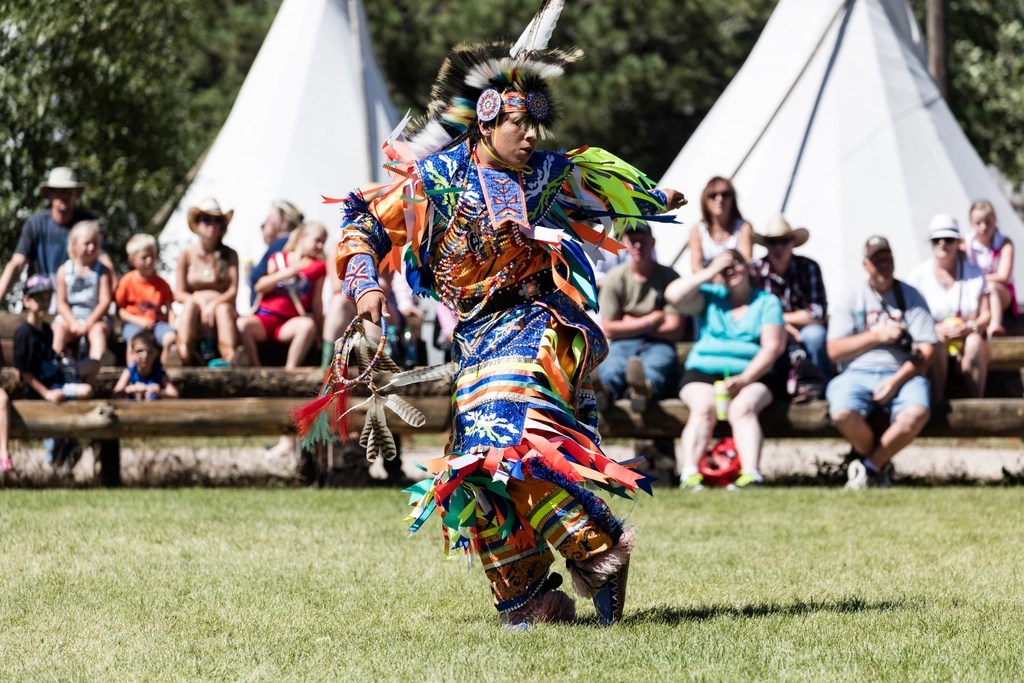
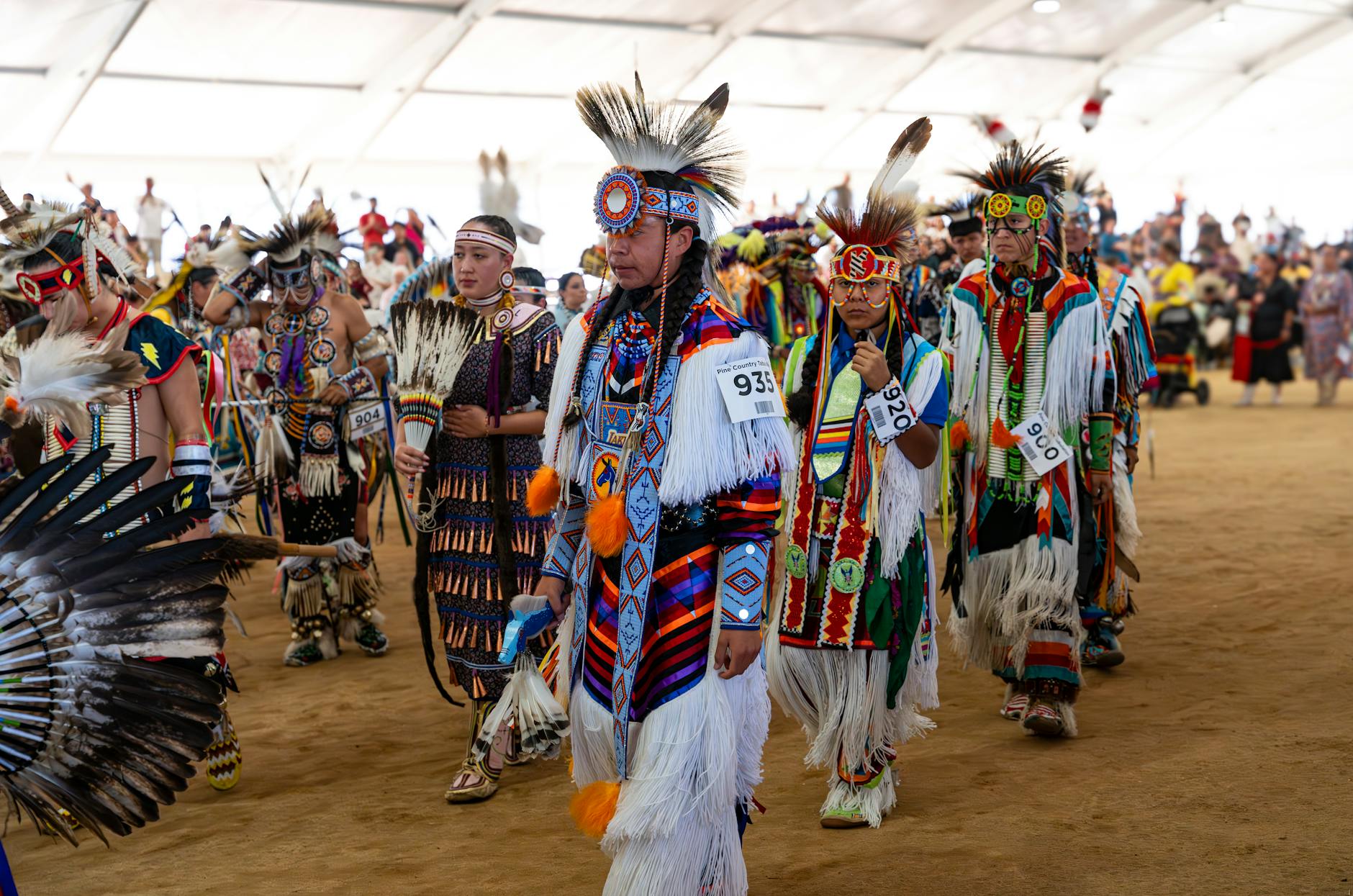
Traditional dances and songs were central to thanksgiving ceremonies, serving as expressions of gratitude and connection to the spiritual world. Each dance or song often carried symbolic meanings tied to the specific resources or events being celebrated.
Offerings to Spirits or Deities:
Ritual offerings, such as food, herbs, or symbolic items, were made to honor the Creator, Great Spirit, or other deities. These acts reinforced the reciprocal relationship between humans and the natural world.
Communal Nature
Indigenous thanksgiving ceremonies were deeply communal events, bringing people together to share in the blessings of the land. These gatherings fostered a sense of unity, ensuring that everyone in the community participated in both the gratitude and the abundance. Through storytelling, feasting, and rituals, these celebrations preserved cultural traditions and passed them on to future generations.
In every region, these ceremonies reflected a profound respect for the natural world and its cycles, creating a legacy of thanksgiving that continues to inspire today.
Contrasts with European Thanksgivings
While both Indigenous and European thanksgivings shared themes of gratitude and sustenance, their underlying philosophies and practices diverged significantly. These differences reflect broader contrasts in worldview, cultural priorities, and spiritual beliefs between Indigenous peoples and European settlers.
Focus on Cycles and Interconnectedness
Indigenous thanksgiving traditions were deeply rooted in a worldview of interconnectedness, where humans were seen as part of nature rather than separate from or dominant over it. This perspective shaped how gratitude was expressed:
- Humans as Part of Nature: Indigenous ceremonies emphasized harmony with the natural world, recognizing the interdependence of plants, animals, and humans. Gratitude extended to all living things and the cycles that sustained life.
- Life’s Cycles: Thanksgiving for Indigenous peoples was not confined to a single annual harvest or fixed date. Instead, gratitude was embedded in the ongoing cycles of planting, harvesting, hunting, and migration, reflecting the rhythm of life and nature.
In contrast, European traditions often positioned humans as stewards or masters of nature, with gratitude focused on Divine Providence, or specific achievements, such as a bountiful harvest. These thanksgivings tended to highlight human efforts and dominion over the land rather than a reciprocal relationship with it.
Communal and Ritualistic
Indigenous thanksgivings prioritized spiritual and ecological balance, with rituals, songs, and ceremonies taking precedence over the feast itself:
- Spiritual and Ritualistic Emphasis: Indigenous ceremonies were acts of reverence and connection to the natural and spiritual worlds. Rituals, storytelling, and dances played a central role in expressing gratitude and maintaining harmony with the environment.
- Ecological Balance: Gratitude was seen as part of a reciprocal relationship, where acts of thanksgiving helped sustain the balance of the natural world.
- Communal Focus: These events were inclusive, emphasizing community participation and shared responsibility for honoring the earth’s gifts.
In contrast, European thanksgivings often placed greater emphasis on the material aspects of celebration, such as the abundance of the feast itself. While religious prayers or services were often part of the occasion, the focus tended to shift to the harvest’s material success and individual or group achievement.
Timing and Flexibility
Indigenous thanksgivings were adapted to local environments and resources, with ceremonies held at different times of the year depending on regional agricultural and ecological patterns:
- Seasonal Adaptation: Ceremonies such as the Green Corn Festival, salmon migrations, or buffalo dances aligned with specific regional cycles. These events occurred as needed, reflecting the natural timing of growth, harvest, or migration.
- Flexible Dates: Indigenous celebrations were not fixed to a calendar but tied to the rhythms of nature, varying from one region to another.
In contrast, European thanksgivings were often tied to specific events, such as the end of the harvest season or religious holidays like Michaelmas. These celebrations were more structured and anchored in human-made schedules, reflecting a different approach to time and its relationship to nature.
Key Insights
The contrasts between Indigenous and European thanksgivings illuminate differing worldviews:
- Indigenous practices celebrated harmony, renewal, and reciprocity within the cycles of life.
- European traditions, while expressing gratitude, often reflected a worldview centered on human achievement and dominion over nature.
Understanding these differences enriches our appreciation for the diverse ways people have expressed thanksgiving across cultures, while also highlighting the unique contributions of Indigenous practices to the broader tradition.
Note on European Motivations and Views of Nature
It’s important to recognize that not all Europeans who came to the Americas shared the same motivations or worldviews. For some, the journey was driven by the desire to expand empires, establish colonies, and exert control over new lands. Others sought to escape tyranny, fleeing religious persecution or oppressive political systems in search of freedom. Still, others simply wanted to start over, hoping to build a new life in an unfamiliar land.
As such, European views on nature were not monolithic. While many colonizers saw the land as something to be conquered and utilized for economic gain, others approached it with a sense of wonder, reverence, and dependency. For those escaping oppression or seeking a fresh start, the natural world could represent both a source of sustenance and a symbol of renewal. Similarly, some religious groups, such as the Pilgrims, saw nature as part of God’s creation, to be worked with rather than dominated.
This diversity of motivations and perspectives underscores that while broad generalizations about European attitudes toward nature are useful for comparison, the reality was far more complex and varied.
Commonalities Between Indigenous and European Thanksgiving Traditions
Despite the cultural and philosophical differences between Indigenous and European thanksgiving practices, there are notable commonalities that highlight shared human experiences and values. Both traditions reflect universal themes of gratitude, survival, and sustenance, and these similarities provide a bridge for understanding the shared importance of giving thanks.
Gratitude to Higher Powers
Both Indigenous and European thanksgiving practices were deeply rooted in spiritual gratitude:
- Indigenous Peoples: Gratitude was directed toward the Creator, the Great Spirit, or spiritual forces believed to sustain life and maintain balance in the natural world. These ceremonies reflected a reciprocal relationship with the earth and its resources.
- Europeans: Thanksgiving celebrations often included prayers and services of gratitude to God for survival, abundance, and divine providence. Whether Catholic or Protestant, these acts of worship reflected a belief in a higher power governing the cycles of life and sustenance.
In both cases, the act of thanksgiving was more than a social or cultural event—it was a deeply spiritual acknowledgment of something greater than oneself.
Themes of Gratitude, Survival, and Sustenance
At their core, both Indigenous and European thanksgivings were about survival and the recognition of the resources that made it possible:
- Indigenous ceremonies often celebrated successful harvests, hunts, or natural events, such as the return of salmon or the ripening of corn, that ensured the community’s survival.
- European thanksgivings similarly marked critical moments, such as the end of a successful harvest or safe passage across the ocean, where sustenance and survival were cause for communal gratitude.
In both traditions, the act of giving thanks brought communities together to acknowledge the fragility of life and the blessings that made survival possible.
Feasting as a Communal Celebration
The tradition of feasting as a way to celebrate gratitude was shared by both Indigenous peoples and European settlers:
- Indigenous Feasts: Thanksgiving ceremonies often featured communal meals that brought the community together to share food, stories, and rituals. These feasts reinforced bonds within the group and symbolized unity and mutual reliance.
- European Feasts: While European thanksgivings also included communal meals, they often emphasized the bounty of the harvest as a sign of divine favor. Feasts were acts of fellowship that celebrated both spiritual and material abundance.
In both cases, food served as a central symbol of sustenance, connection, and celebration, reminding participants of the shared effort and blessings that sustained their lives.
Seasonal Connections to Harvests and Natural Cycles
Both Indigenous and European thanksgivings were closely tied to the cycles of nature, particularly the harvest season:
- For Indigenous peoples, thanksgiving ceremonies aligned with the natural rhythms of planting, growth, and renewal, reflecting their deep spiritual connection to the land.
- For Europeans, thanksgiving was often tied to the autumn harvest, marking the end of the agricultural season and the preparation for winter.
This shared seasonal connection underscores the fundamental human reliance on the earth’s resources and the importance of recognizing the rhythms that sustain life.
By acknowledging these commonalities, we can see how thanksgiving transcends cultural boundaries, reflecting a universal human impulse to express gratitude for life’s blessings. Both Indigenous and European traditions, while distinct in practice and philosophy, emphasize the importance of community, spiritual reflection, and harmonious relationships with the natural world. These shared values continue to resonate in the way we celebrate Thanksgiving today.
Conclusion
Indigenous thanksgiving celebrations were profoundly spiritual and communal, reflecting a worldview centered on gratitude, reciprocity, and harmony with nature. These traditions demonstrate a deep respect for the interconnectedness of life, where giving thanks was not just a momentary act but an ongoing practice woven into the rhythms of the seasons and the community’s way of life.
While distinct from European harvest festivals, Indigenous thanksgiving ceremonies share universal human themes of thankfulness, survival, and sustenance, reminding us that the impulse to give thanks transcends cultural boundaries. By examining these traditions, we gain a deeper understanding of the rich and diverse roots of thanksgiving in the Americas.
Looking ahead, this exploration of thanksgiving continues to evolve. In the next installment, we will shift our focus to the more contemporary history of Thanksgiving in the United States, including the presidential proclamations and congressional acts that shaped the holiday into what we know today. Stay tuned as we uncover how this enduring tradition has been formally established and celebrated in American history.
Reflecting on Indigenous Thanksgiving Traditions
As we explore the rich tapestry of Indigenous thanksgiving traditions, I invite you to pause and reflect on the broader meanings behind these practices. Recognizing these traditions not only deepens our understanding of the enduring human impulse to give thanks but also enriches our appreciation for the cultural diversity that has shaped thanksgiving celebrations across time.
Consider the following questions as you reflect on this post:
- How do these Indigenous traditions challenge or expand your understanding of Thanksgiving?
- What can we learn from the emphasis on harmony, reciprocity, and interconnectedness in these ceremonies?
- How might embracing a deeper appreciation for these practices enhance your own expressions of gratitude and connection to the world around you?
By broadening our perspective, we can develop a greater appreciation for how thanksgiving has evolved into a shared tradition that transcends cultures. It invites us to honor the spiritual, communal, and ecological roots of giving thanks while recognizing the unique contributions of Indigenous peoples to this enduring celebration. As we move forward in this journey, let’s carry these lessons into our own Thanksgiving observances, fostering a sense of connection and gratitude that unites us all.
Excerpt
Explore the rich traditions of Indigenous thanksgiving ceremonies, deeply rooted in gratitude, harmony, and community. These celebrations reveal universal themes of thankfulness and survival while highlighting cultural diversity. Discover how these practices enrich our understanding of Thanksgiving and its enduring human significance across time and cultures.

 Treasures of the Elysian Fields
Leave a comment