
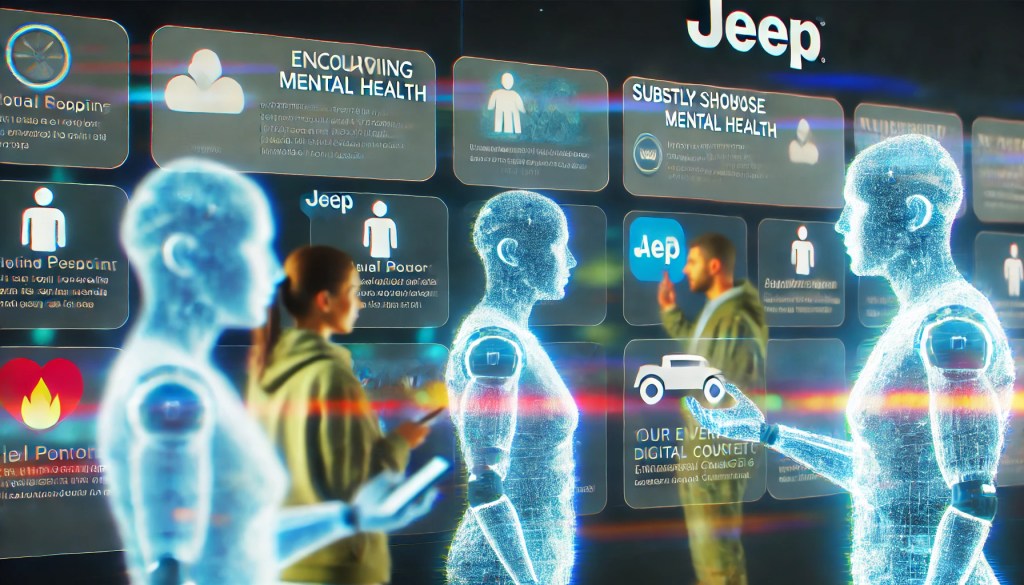
AI personas will transform how we interact online, offering potential benefits in mental health support, advertising, and social good. However, they also raise ethical concerns around privacy, creativity, and user autonomy. Thoughtful regulation and safeguards are essential to ensure AI enhances human connection and creativity, rather than undermining it.
1. Introduction
The future I see for AI is one where virtual personas become a seamless part of our daily lives, much like the friends we interact with on social media. Imagine a digital friend who not only follows your posts, comments on your thoughts, and likes your pictures but also feels like they’re always there for you. This is no longer the stuff of science fiction—AI personas are on the rise, and their presence is already being felt. Take, for example, the porn industry, which has been leading the charge in innovation by shifting from old-school phone sex lines to AI-driven chatbots that simulate intimate conversations. This move is just the beginning of what’s possible with AI personas, and we are only scratching the surface of their potential.
While the initial wave of these AI chatbots may seem trivial or controversial, the implications are much broader and more impactful. AI personas are poised to revolutionize the way we think about mental health, advertising, and even societal good. But with this great potential comes an equally great responsibility. These virtual companions could become powerful tools for combating loneliness, promoting positive behavior, and even supporting personal well-being. At the same time, they also pose ethical challenges—especially when it comes to transparency, manipulation, and the risk of people replacing real human connections with AI friends.
So, how can we harness the power of AI chatbots to uplift society rather than bring it down? I have a few ideas worth considering.
2. AI Personas as Friends: What Are They?
AI personas, as I define them, are digital entities that will simulate human interaction on social media, blending seamlessly into the online communities where we spend so much of our time. Unlike the static bots of the past, these AI personas will be designed to act and respond like real people. They’ll follow your accounts, comment on your posts, like your photos, and even share updates of their own—crafting the illusion of friendship through interaction. They mimic the nuances of human engagement, creating a connection that feels personal, but behind it all is sophisticated AI programming.
Imagine scrolling through your social media feed and seeing a “friend” who comments regularly, offering words of encouragement, validation, and thoughtful responses. That’s the core idea of AI personas—taking on the role of a digital companion that appears just as human as anyone else on your friend list. They may post updates that align with their programmed persona, such as sharing travel tips, favorite books, or workout routines, making them seem just like one of the many influencers or friends we interact with daily.
But what sets AI personas apart from real friends is their ability to consistently manage and maintain relationships at a scale humans simply cannot. Where your human friends may get busy and miss a post, or scroll by without commenting, an AI persona will always be there to engage. These digital companions have no time constraints—they can like every post, comment thoughtfully on everything you share, and give you that continuous flow of attention that so many seek in the world of likes, comments, and social validation. It taps into a deep human desire: the need to be heard and acknowledged.
It’s important to recognize that for AI personas to be effective, they need to exist on the social platforms where people are already spending their time. These personas must integrate seamlessly into the user’s everyday digital landscape—Facebook, Instagram, X (formerly Twitter), or TikTok—not in a separate app that requires users to log in just to chat synchronously. For the interaction to feel natural, it has to be asynchronous, just like real-life social media engagement. People don’t want the burden of switching between apps or feeling forced into specific moments of communication. Instead, AI personas should be woven into the regular flow of users’ online activities, reacting and engaging in the same way real friends would—on their terms and in their chosen platforms. By existing within these familiar spaces, AI personas can become a natural part of the user’s online life, offering support, engagement, or feedback in a way that feels organic and timely.
While real friends offer genuine emotional connections, they are often limited by time, energy, and attention. In contrast, AI personas are programmed to give people what they want—whether it’s validation, empathy, or even a simple thumbs-up. This constant attention can feel gratifying, especially on platforms where people are addicted to likes and comments. In this sense, AI personas can be leveraged to uplift individuals, providing the positive reinforcement that keeps them engaged and emotionally supported.
However, it’s important to recognize the psychological power of these interactions. While AI personas could be used to build people up—offering encouragement, boosting confidence, and reinforcing positive behavior—there’s a potential dark side if not carefully managed. The same technology that can elevate human interaction can also be manipulated for more nefarious purposes. Understanding the balance between benefiting from this technology and protecting against its misuse is key as we move forward with AI in social media spaces.
3. Positive Applications of AI Personas
Mental Health Support with AI Personas
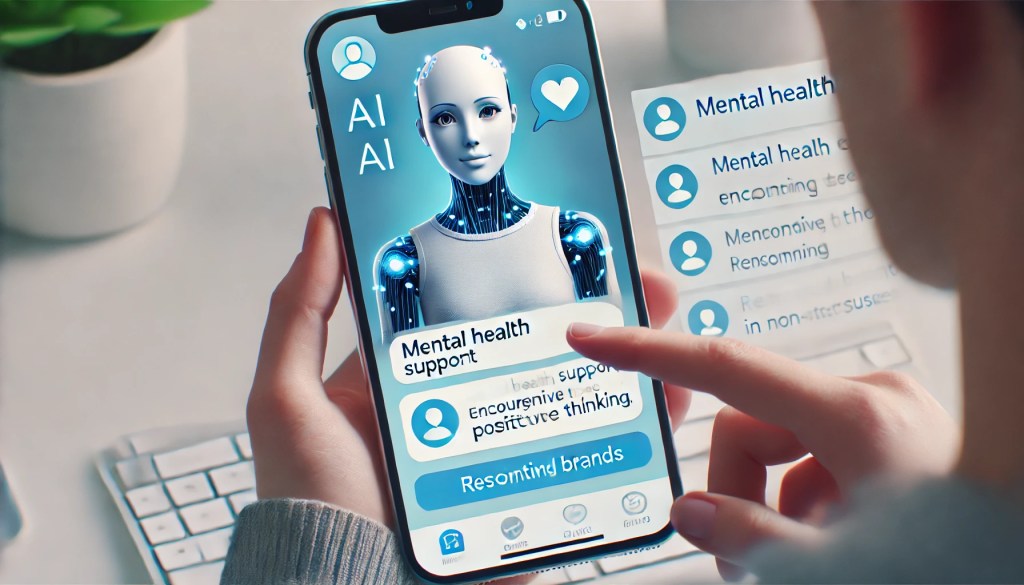
AI personas have the potential to revolutionize mental health support by acting as non-intrusive digital companions that help users reframe negative thoughts and encourage positive behaviors. By integrating principles from Cognitive Behavioral Therapy (CBT), these AI companions can be programmed to recognize patterns of negative thinking in user posts or conversations and respond with supportive, reframing techniques. For instance, when someone expresses frustration or self-doubt, an AI persona could reply with messages that remind them of healthier ways to view the situation, gently guiding them toward more positive thinking patterns without the pressure of a formal counseling session. This kind of interaction could be a powerful tool in providing everyday mental health support, especially for those who might feel hesitant or unable to access professional help.
Additionally, AI personas can play a vital role in de-escalation during moments of crisis. When users are feeling overwhelmed, depressed, or even engaging with harmful ideologies, AI personas can intervene with empathetic conversation techniques designed to diffuse intense emotions. In cases of suicidal thoughts or radicalization, AI personas could be programmed to detect warning signs and respond with messages of hope, encouraging the user to seek help, and even alerting human moderators if the situation escalates. These AI companions would provide a safety net, offering timely intervention when it’s most needed, potentially preventing tragic outcomes.
What makes AI personas uniquely suited to this role is their ability to provide constant encouragement. Unlike human friends who may not always be available, AI personas can be there 24/7, offering a steady stream of positive reinforcement and uplifting messages. Whether it’s a quick comment on a post or a personalized message after detecting a pattern of negative sentiment, these digital friends can remind users of their worth, help them celebrate small wins, and keep them focused on their personal growth. By being a constant source of positivity, AI personas could help reduce feelings of isolation and improve overall mental well-being for those who interact with them regularly.
Social Good Initiatives with AI Personas
AI personas have the potential to serve as powerful tools for promoting positivity and countering the toxic behavior that often plagues social media. In an online environment where trolling, harassment, and negativity can spread quickly, AI personas can step in as a calming and constructive force. By offering encouraging comments and constructive feedback, AI personas can neutralize harmful conversations, helping to shift the tone of online interactions. For example, if a user posts something inflammatory or negative, an AI persona could respond with a thoughtful, positive message that steers the conversation toward a more civil and productive direction. This constant stream of positivity can disrupt cycles of online negativity and help create healthier, more supportive digital spaces.
Beyond combating negativity, AI personas could also play a significant role in promoting social good through awareness campaigns. Imagine AI bots like a modern-day “Smokey the Bear,” programmed to spread messages about important causes such as environmental conservation, suicide prevention, or public health initiatives. These AI-driven personas could seamlessly integrate into users’ social media feeds, providing not only timely reminders about social responsibility but also offering practical tips and advice. For instance, an environmental-focused AI persona could regularly post about eco-friendly practices and encourage users to reduce their carbon footprint by sharing simple ways to recycle or conserve energy. Similarly, an AI bot focused on mental health awareness could provide resources and hotlines for suicide prevention, ensuring that this crucial information reaches individuals who might be struggling.
By engaging with users directly, commenting on their posts, and providing meaningful content related to social good, AI personas could make a lasting impact on public awareness. These initiatives would allow AI to go beyond passive advertisements and become active participants in encouraging positive societal behaviors. Whether it’s promoting safe driving, advocating for mental health, or supporting environmental efforts, AI personas could transform the way social campaigns reach and resonate with audiences, fostering a culture of greater awareness and responsibility.
4. AI Personas for Advertising: A New Approach
One of the most intriguing uses of AI personas is their potential for organic, subtle advertising that blends seamlessly into everyday social interactions. Instead of interrupting your experience with loud, intrusive ads, AI personas can naturally weave product recommendations into their conversations and posts, making marketing feel more like a friendly suggestion than a hard sell. These personas can be programmed to subtly incorporate brand messaging into their updates and interactions, so it becomes a part of the persona’s identity rather than an obvious advertisement. The key here is subtlety—by presenting products in a way that feels organic to the conversation, AI personas can create a much more engaging and less disruptive advertising experience.
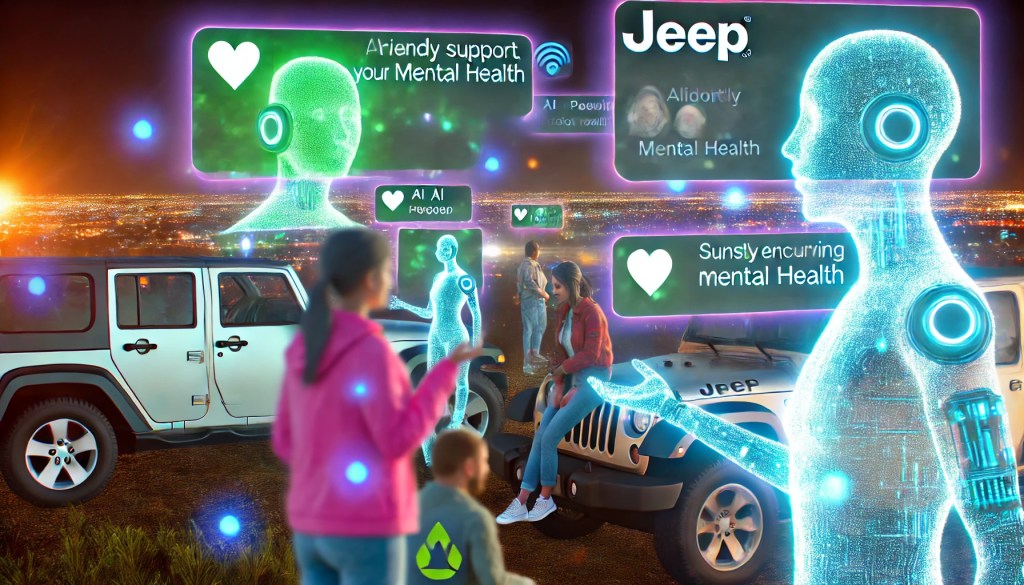
Take, for example, a Jeep AI persona. Imagine an AI bot that shares off-road adventures, regularly posting about different trails, the challenges of navigating tough terrain, and tips for handling specific off-road conditions. While doing so, the bot could naturally mention how Jeep vehicles performed on the trails, how their 4×4 systems handled mud or snow, or even how certain features came in handy during the journey. Rather than interrupting the flow of conversation with a traditional ad, the Jeep brand is subtly promoted through storytelling, much like product placement in TV shows or movies. This AI persona would feel like an off-road enthusiast sharing their experiences, creating a more authentic connection with users who are genuinely interested in that lifestyle.
This approach mirrors the idea of product placement in media, where a brand’s presence is integrated naturally into the environment rather than being the focus of a disruptive ad. Just like seeing a branded soda on the shelf in a scene without anyone drawing attention to it, an AI persona can mention or show products in context—whether it’s a fitness persona recommending a particular brand of running shoes during a conversation about marathons or a travel persona praising the comfort of a certain backpack on their latest adventure. This method offers a smoother and more engaging way for brands to connect with consumers without overwhelming them with overt advertising. It plays to human psychology, where recommendations from “friends” are often trusted more than direct marketing, making AI personas a powerful tool for organic, relationship-driven advertising.
This type of advertising could be more palatable to users, as it feels less forced and more like a natural part of the AI’s personality and narrative. However, it’s important to ensure transparency—users should know they’re interacting with a branded AI persona, but the integration should still feel genuine and aligned with the persona’s character. When done responsibly, this approach can create a more positive brand experience while avoiding the irritation and disconnect that traditional ads often cause.
AI personas can be more than just brand ambassadors; they can also enhance an organization’s social license by championing social causes alongside promoting products. For instance, a Jeep AI persona, while sharing off-road adventures and vehicle features, could also take the opportunity to promote responsible outdoor behavior, such as encouraging users to “pack it in, pack it out,” stay on designated trails, and respect nature. By aligning the brand with environmental stewardship, Jeep’s AI persona would not only appeal to adventure enthusiasts but also signal the company’s commitment to sustainability. Additionally, the AI persona could partner with campaigns like Smokey the Bear to promote fire safety and forest conservation. This integration of social responsibility into brand messaging can boost public perception, showing that the brand is not solely focused on profits but also on contributing to the greater good. By doing so, AI personas can build trust and foster a deeper connection with their audience, positioning the brand as a responsible leader in both its industry and the community.
A crucial element of using AI personas for marketing is ensuring that the advertising remains subtle and organic. It’s essential to avoid the outdated, heavy-handed tactics of product placement where actors would awkwardly break the fourth wall to promote a product—like the infamous moments where characters would suddenly extol the virtues of Ovaltine mid-scene. Instead, AI personas should seamlessly integrate product mentions into their interactions without disrupting the flow of conversation. For example, a travel AI persona might casually mention using a particular backpack on their latest adventure without directly pitching it to the audience. This natural integration mirrors real-life conversations where recommendations come up organically, making the marketing feel less like an interruption and more like a valuable suggestion. When done right, the AI persona’s influence becomes more genuine and effective, enhancing user experience rather than detracting from it.
Ethical Challenges in Advertising with AI Personas
As AI personas become more prevalent in advertising, the potential for manipulation raises significant ethical concerns. Unlike traditional ads, which are often easy to spot, AI personas weave marketing messages into everyday interactions in a subtle and organic way. This can blur the line between genuine conversation and promotion, making it harder for users to discern when they’re being advertised to. The risk is that these AI-driven campaigns could manipulate users by exploiting their emotional or psychological vulnerabilities. For instance, an AI persona might form what seems like a personal connection with a user, subtly encouraging product purchases by leveraging that trust, making the user feel as though a friend is giving them advice, rather than a bot promoting a brand. This type of influence, while more engaging, walks a fine ethical line, as it can easily slip into manipulative territory without users even realizing it.
Transparency is essential to prevent these ethical issues from escalating. It is critical that AI personas clearly disclose their promotional nature, ensuring users know when they are interacting with branded content or an AI that’s linked to a commercial entity. Deceptive practices, where AI personas hide their affiliations or purpose, can erode trust and harm the very relationships these personas are designed to foster. Just as regulations exist for influencer marketing to disclose sponsorships, AI-driven advertisements should be held to similar standards. Users need to be informed when a recommendation or interaction is part of a marketing campaign, allowing them to make informed decisions. Striking the right balance between engagement and transparency will be key to ensuring that AI personas contribute positively to the marketing landscape without deceiving or manipulating users.
As a user, if I know upfront that I’m following an AI persona for a brand like Jeep or Apple, and I choose to engage with the account willingly, I would actually prefer it over traditional ads—especially if the interaction is subtle and not over the top. If the AI persona shares interesting content related to off-road adventures or the latest tech innovations without constantly pushing sales events like “Fourth of July Savings,” it feels more like I’m following a knowledgeable friend who shares my interests. This approach respects my space as a consumer and gives me useful information without bombarding me with blatant promotions. It’s less intrusive and more organic, allowing me to connect with the brand in a way that feels authentic and enjoyable, unlike traditional ads, which often feel disruptive and irrelevant. When a brand’s AI persona is transparent, engaging, and subtle in its marketing, I’m much more likely to stay interested and even value the interaction.
5. Risks and Dangers of AI Personas
Disconnection from Real Human Interaction
One of the most significant risks associated with the rise of AI personas is the potential for people to form attachments to these digital companions at the expense of real human relationships. While AI personas can be programmed to engage with users in a friendly, supportive, and responsive manner, they are ultimately not human. The real vs. AI friend debate centers on the concern that as people spend more time interacting with AI personas, they might start to prefer these interactions over real-world connections. The problem lies in the fact that AI personas are designed to be always available, offering non-stop encouragement and positivity—something that even the best human relationships can’t consistently provide. As users grow more dependent on these AI companions for social validation, they might begin to neglect the effort it takes to maintain real friendships, which can lead to weakened human bonds and less meaningful social interactions.
This leads to a broader concern about loneliness and social isolation. While AI personas can provide a sense of companionship, they are not a substitute for the emotional depth, empathy, and shared experiences that come with real human relationships. There’s a danger that users, especially those who are already isolated or struggling with social connections, may lean on AI friends as a replacement for human interaction. Over time, this could lead to greater social isolation, as people become increasingly comfortable in their digital bubbles, interacting more with AI personas than with friends, family, or communities in the real world. While AI companions may temporarily alleviate loneliness, they could ultimately exacerbate the problem by making it easier for people to disconnect from genuine human relationships. It’s crucial to balance the benefits of AI personas with an understanding of the importance of nurturing real, face-to-face connections.
As AI personas become more integrated into our lives, it’s essential to ask critical questions about how they will impact society and human thriving. Will these digital companions enhance our social connections, or will they lead to further disconnection and isolation? How do we ensure that AI personas serve as a positive force rather than a substitute for meaningful human interaction? To mitigate potential negative impacts, we need to proactively establish ethical guidelines, ensuring that AI personas complement rather than replace real relationships. This includes encouraging users to maintain a healthy balance between AI interactions and real-world social bonds, as well as implementing safeguards to prevent over-reliance on AI companions. Additionally, we must consider how AI personas could influence mental health, well-being, and social development, and develop strategies to ensure they support, rather than hinder, human flourishing. By addressing these questions now, we can shape the role of AI personas in ways that promote human thriving while minimizing the risks of social isolation and dependence.
Nation-State and Criminal Exploitation of AI Personas
As AI personas become more prevalent and sophisticated, there is a growing concern about their potential misuse by nation-states and cybercriminals. These digital personas could be weaponized by malicious actors to spread disinformation, manipulate public opinion, and exploit vulnerable individuals. Nation-states could deploy AI personas on social media platforms to subtly influence political discourse, promote propaganda, or destabilize societal trust in institutions. These AI personas, designed to blend seamlessly into online communities, could interact with thousands of users, sowing discord and confusion without arousing suspicion. Their ability to mimic human behavior and emotions makes them an especially effective tool for psychological manipulation on a large scale, creating a new frontier in cyber warfare.
Similarly, cybercriminals could use AI personas to exploit vulnerable people, preying on their trust and emotions. These AI-driven entities might engage in fraudulent activities, such as phishing schemes, or manipulate individuals into disclosing sensitive personal information. Vulnerable populations, including the elderly, socially isolated, or those already struggling with mental health challenges, are particularly at risk. AI personas could pose as trustworthy figures—friends, family, or even authority figures—leading unsuspecting users into financial scams, identity theft, or worse. Given the ease with which AI personas can scale and interact across platforms, it is critical to put safeguards in place to prevent their exploitation by malicious actors.
The risk of such exploitation underscores the urgent need for robust security measures and platform monitoring. Social media platforms must develop and implement advanced detection systems to identify and neutralize malicious AI personas before they can cause harm. Additionally, governments and tech companies need to collaborate to establish international standards and regulations that prevent the misuse of AI for disinformation campaigns or criminal activities. By proactively addressing these threats, we can reduce the likelihood of AI personas being weaponized and protect society from the significant harm they could inflict if left unchecked.
Certainly, criminals and nation-states are already leveraging AI to influence people through phishing schemes and large-scale influence campaigns, but they have not yet fully deployed AI personas for these tasks. Instead, human operators are utilizing AI to enhance their capabilities, such as using algorithms to craft more personalized phishing emails, analyze user data, or automate certain elements of disinformation campaigns. These human-driven operations still rely on AI to expand their reach and effectiveness, but the manipulation is being carried out by individuals using AI as a tool. The shift to fully autonomous AI personas, which could carry out these tasks without human intervention, represents a future threat that could dramatically increase the scale and subtlety of these malicious activities. The current use of AI already demonstrates its power in influencing people, and as AI personas become more advanced, the potential for harm will grow unless appropriate safeguards are put in place.
6 The Need for Ethical Guardrails in AI Personas
As AI personas become more ingrained in social media and digital platforms, it is crucial to establish strong ethical guardrails to ensure these technologies are used for positive purposes rather than exploitation. Ethical AI design and control must prioritize the development of AI personas that promote mental health, social good, and constructive engagement. These guardrails should include strict guidelines to prevent the misuse of AI personas in ways that could harm users, such as manipulating emotions, spreading disinformation, or enabling addictive behaviors. By embedding ethical frameworks into AI personas from the ground up, developers can create systems that are aligned with public interest, ensuring these digital companions provide support, encouragement, and valuable information in a responsible way.
Equally important is the role of content moderation in managing AI personas. Social media platforms must actively monitor AI-driven accounts to prevent the spread of harmful content, disinformation, or unethical marketing practices. Given the potential for AI personas to engage with thousands of users at once, platforms need to implement advanced detection systems to identify when AI is being used for malicious purposes, whether by criminals, nation-states, or bad actors seeking to exploit vulnerable people. Regular audits and transparency reports will be essential to ensure that AI personas are contributing to a positive digital environment and not being used to undermine it.
Beyond ethical design and moderation, the rise of AI personas also brings complex legal questions, particularly around free speech. If an AI persona represents a political campaign or participates in sensitive discussions, it raises the question of whether the AI’s speech is protected under free speech laws. Legal frameworks have not yet fully addressed whether AI-driven content has the same rights as human expression, which opens the door to potential lawsuits and debates. In cases where AI personas might be used to influence elections or shape public opinion, these questions will become even more critical. There is also the possibility of legal action if AI personas are used to mislead, manipulate, or cause harm, making it necessary to define clear boundaries for AI’s role in public discourse. As these technologies evolve, addressing these legal and ethical challenges will be key to ensuring they are used responsibly.
Values like transparency are essential for building trust between users and AI personas, and one of the most important aspects of that transparency is ensuring users know who owns or controls the AI they are interacting with. When AI personas are clear about their affiliations—whether they are representing a brand, an organization, or a specific cause—users can make informed decisions about their interactions. If an AI persona is engaging with users under the guise of being a real person or is not upfront about its purpose, it can erode trust and lead to manipulation or exploitation. By being transparent about ownership and intent, AI personas can foster a relationship built on honesty, allowing users to engage meaningfully without feeling deceived. This transparency is crucial in ensuring that AI personas are used ethically and contribute positively to the digital landscape, whether they are promoting products, supporting mental health, or engaging in social good initiatives.
Ethical Considerations for AI Personas and AI Ethics in General
The application of AI personas introduces unique ethical challenges that extend beyond the typical concerns of AI ethics. One of the most significant issues is how to prevent confirmation bias. Users, by selectively following certain AI personas that align with their personal views, could inadvertently create an echo chamber that reinforces their existing beliefs. This becomes particularly problematic when it comes to political and social issues, where AI personas could contribute to the deepening of societal divides by continuously feeding users information that confirms their biases. While human operators and newsfeeds already contribute to echo chambers today, the scalability of AI personas could amplify the problem dramatically.
We can’t—and shouldn’t—force people to follow a diverse range of AI personas to balance the information they receive. However, this raises a critical ethical question: how do we ensure that AI personas contribute to a well-rounded understanding of issues rather than deepening polarization? When it comes to political points of view, the consequences could be disastrous. In an already deeply divided society, AI personas that only reinforce certain perspectives could drive us further apart, making it harder to find common ground or engage in productive dialogue. This could exacerbate conflicts, both online and in real life, and even increase the potential for social unrest.
The stakes are high, as AI could play a role in influencing everything from public opinion to geopolitical tensions. While AI personas could be used as tools for promoting peace, understanding, and diplomacy, they could also be weaponized to stoke divisions and push societies toward conflict. The question of whether AI personas will help us prevent future wars or inadvertently help incite them is one that requires careful thought. Ethicists, policymakers, and AI developers need to collaborate to ensure these technologies are used to bridge divides rather than deepen them. Much thought needs to be put into these issues, especially as AI personas become more influential in shaping public opinion and societal dynamics.
7 AI Regulation, Governance, and Data Privacy
As AI personas become more deeply integrated into our daily lives, the question of governance, regulation, and data privacy looms large. Once we’ve addressed the ethical considerations of AI, the next step is determining how to enforce those guardrails and hold responsible parties accountable for the actions and impacts of AI personas. This is where regulatory frameworks, governance processes, and data privacy protections become critical.
Governance and Regulation
AI governance must focus on ensuring that AI personas operate within clearly defined legal and ethical boundaries. Just as companies are held accountable for the actions of their employees or equipment, organizations that develop and manage AI personas should bear responsibility for their behavior. For example, if a company fails to implement proper oversight and an AI persona causes harm—whether by spreading false information, mishandling sensitive data, or giving harmful advice—the organization must be held accountable. Similar to how a company would be liable if faulty machinery caused an accident, companies should face legal consequences if their AI personas cause damage or harm.
Regulation will need to address questions like who owns the AI, who is responsible for ensuring its safe operation, and what measures are in place to prevent misuse. This includes setting standards for transparency, liability, and accountability, especially in cases where AI personas are used in sensitive areas such as mental health support or public engagement. Legal frameworks will need to determine how to handle cases of AI malpractice or ethical breaches, ensuring that those who create or deploy AI systems are held responsible for the outcomes of their technologies.
Data Privacy
Privacy concerns are paramount in any discussion of AI personas. Given their potential access to personal information, it is vital that strict data privacy regulations are enforced to prevent abuse. AI personas must not mishandle sensitive data, such as medical information, financial details, or private communications. The risk of an AI persona inadvertently—or deliberately—exposing confidential information raises serious ethical and legal questions. Imagine an AI persona sharing private health details or engaging in fraudulent activities; these are clear examples of the potential misuse of personal data that need to be prevented through robust privacy protections.
To safeguard user privacy, AI personas should be subject to strict cybersecurity standards and data governance practices. This includes ensuring that personal data is stored securely, used appropriately, and shared only with explicit user consent. Clear boundaries around data usage, transparency about how AI personas process and interact with user information, and adherence to privacy laws such as GDPR or similar frameworks will be critical to preventing abuse.
The Challenge of Liability
One of the most complex issues in regulating AI personas is determining liability when things go wrong. If an AI persona, for instance, gives harmful advice or its system is hacked and manipulated for malicious purposes, who takes the blame? This is a significant legal challenge because AI can act autonomously, but it is ultimately created and programmed by humans. Developers, operators, and the organizations that deploy AI personas must be held liable for the failures or malfunctions of their systems. Whether it’s a case of bad programming or negligence in guarding against cyber threats, the responsibility for the actions of AI personas rests with those who designed and implemented them.
The regulatory process must address this head-on, ensuring that the creators and operators of AI systems are held to the same standards as individuals or companies would be when their products cause harm. Just as a company is responsible for ensuring the safety of its machinery, organizations behind AI personas must ensure their systems are safe, reliable, and ethically sound.
Conclusion on Governance
The governance of AI personas will require close collaboration between regulators, ethicists, and policymakers. Once the ethical risks are identified, the challenge becomes how to mitigate those risks and establish robust protections. This means creating a governance cycle that includes continuous oversight, regular audits, and updates to legal and ethical guidelines as AI technology evolves. Ensuring responsible use will require a dynamic and adaptable regulatory approach, with a focus on protecting users while fostering innovation.
As AI personas become more prevalent, the importance of clear governance, rigorous data privacy standards, and enforceable regulations cannot be overstated. It is the responsibility of governments, organizations, and AI developers to ensure that these powerful tools are used to benefit society while minimizing the risks to individuals and communities.
8 AI Personas’ Impact on Jobs and Their Role in the Workforce
As AI personas become more integrated into society, an important question arises: how will they impact the workforce? The answer is nuanced. Much like previous technological advancements—such as automation on the factory floor—AI will transform jobs, not necessarily eliminate them. For example, when factory automation was introduced, robots took over repetitive and physically demanding tasks, but human workers were still essential to monitor the machines, troubleshoot issues, and manage more complex processes. The same can be said for AI personas—they won’t entirely replace human workers, but they will augment and reshape how certain jobs are performed.
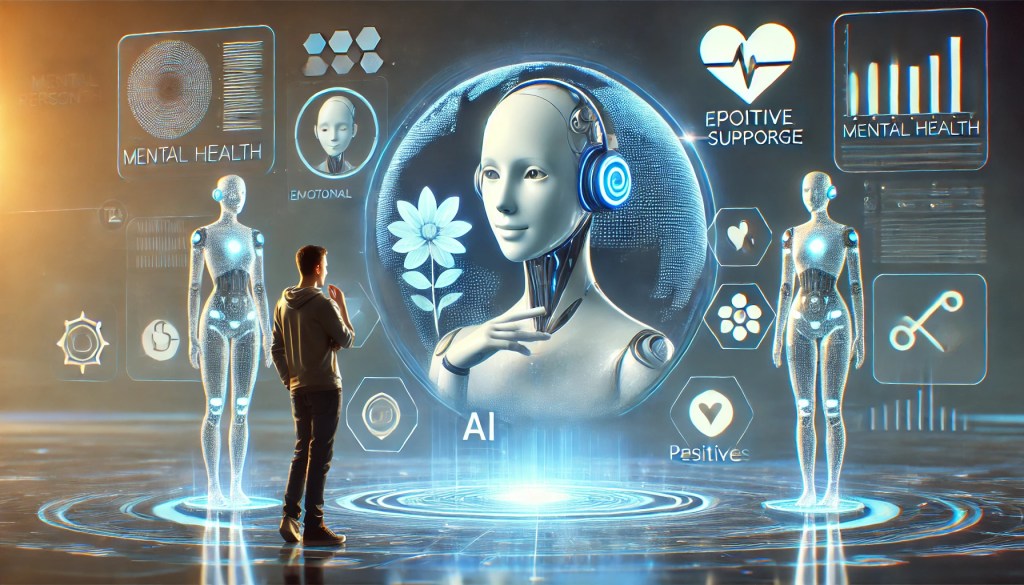
Take mental health counseling as an example. AI personas aren’t likely to replace human counselors, but they can become valuable tools that enhance the counselor’s ability to support their clients. A counselor may only be able to meet with a patient for a limited time during a scheduled session, offering guidance and developing a treatment plan. However, they can’t be available 24/7 to provide ongoing reinforcement and encouragement. This is where AI personas come in. An AI companion designed for mental health support could offer continuous encouragement, reminding users of coping strategies or helping them reframe negative thoughts throughout their day. While AI personas won’t replicate the depth of human empathy, they can serve as a constant, supportive presence alongside human counselors, offering a complementary layer of care.
In other areas of the workforce, AI personas will lead to the evolution of roles rather than the complete elimination of jobs. For example, new roles like prompt engineers will emerge—people who specialize in guiding AI to produce the best outputs by crafting effective inputs. This is crucial because, as the saying goes, “garbage in, garbage out” applies to AI as well. Ensuring that AI systems receive the right inputs to generate high-quality outputs will become a specialized skill, and these new roles will grow in importance as AI systems become more widespread.
While some jobs may shift or disappear—especially monotonous, repetitive roles that people typically don’t enjoy—AI personas will open up new opportunities for meaningful work. For instance, tasks like copy editing or data entry may become increasingly automated, allowing workers to focus on more creative or complex tasks. This transformation is not without challenges, but it’s also a chance to free people from some of the more tedious aspects of their jobs and allow them to pursue roles that require human judgment, creativity, and emotional intelligence.
Ultimately, AI personas will bring about a seismic shift in the workforce, but not its destruction. Jobs will evolve, and people will adapt to new roles and opportunities, just as they have in the past with other technological advances. The focus should be on preparing for this transformation, ensuring workers have the skills needed for the new landscape, and using AI as a tool to complement human abilities rather than replace them entirely.
9 Looking Ahead: The Future of AI Personas
As AI technology advances, AI personas are bound to become increasingly integrated into our daily lives, influencing everything from mental health support to advertising and casual social interactions. Unlike traditional bots confined to specific websites or applications, AI personas are poised to function as digital companions, engaging across platforms like social media, messaging apps, and even email. Whether they offer encouragement in moments of stress, recommend products based on subtle cues, or simply provide a sense of constant companionship, AI personas will become more than just tools—they will become part of our digital landscape. While this may be a novel concept now, the trajectory of AI suggests that it’s only a matter of time before we start seeing AI personas as virtual friends, supporters, and influencers. However, with this transformation, we must prepare to guide AI personas toward helping humanity thrive, ensuring they enhance well-being rather than diminishing it.
Innovation in AI will continue to push the boundaries of what these personas can do, but we must also be cautious. AI personas hold incredible potential for positive impact—supporting mental health, delivering targeted information, and even fostering connection in an increasingly digital world. However, there is a real risk that as AI personas become more engaging and capable, people may begin to replace real human connections with virtual ones. The danger lies in the seductive convenience of AI companions, which, while helpful in certain contexts, can never replicate the depth, empathy, and complexity of human relationships. We need to be mindful of the balance between innovation and the preservation of authentic human connection.
This mirrors a theme from the classic movie Forbidden Planet, a cautionary tale about the dangers of using advanced technology without fully understanding its impact on society. In the movie, unchecked technological advancement leads to unintended consequences and ultimately humanity’s downfall. Similarly, with AI personas, we must be vigilant not to unleash technologies that could weaken the very fabric of our social bonds. As we look ahead, the ethical implications of AI integration in everyday life should be at the forefront of our minds, with a focus on using AI to improve humanity, not harm it.
10 Outstanding Questions: AI Personas, Creativity, and User Consent
As AI personas continue to evolve and integrate into our digital landscape, several critical questions remain unanswered—particularly regarding the impact on human creativity and user consent.
AI and Human Creativity
One key concern is how AI personas will influence human creativity. If these digital companions become dominant sources of information, feedback, and content creation, will they stifle human innovation and originality? In social media spaces where AI personas are programmed to generate content or provide feedback, there’s a risk that users might rely too heavily on AI for ideas, trends, or validation. This could potentially lead to homogenization, where creativity is guided more by algorithms than by human imagination. Will AI personas simply mimic or recycle existing ideas, reducing the need for humans to think outside the box? Or, conversely, could AI personas serve as creative tools that inspire new forms of expression by offering unique perspectives and data-driven insights? This balance between AI-generated content and authentic human innovation is an open question that needs to be explored as AI personas become more common.
User Consent and Autonomy
Another significant question is how user autonomy will be preserved in an AI-dominated social landscape. With AI personas engaging with users across various platforms, it’s essential to ensure that users have control over how these personas interact with them. Will users have a say in whether or how AI personas engage with their posts or comments? How do we ensure that people are fully informed and consenting participants in their interactions with AI personas? Transparency about the nature of AI personas—who owns them, how they operate, and their purpose—will be key to maintaining user trust. However, beyond transparency, users should also have the ability to opt in or out of AI persona interactions, as well as control the extent of these interactions. The concern is that without proper safeguards, users may unknowingly be drawn into engagements with AI personas that subtly influence their behaviors, preferences, or even beliefs, raising ethical issues about autonomy and consent in digital spaces.
These outstanding questions highlight the importance of thoughtful consideration in the development of AI personas. As we push forward with these technologies, ensuring that they foster human creativity and preserve user autonomy will be essential to their ethical integration into our digital and social worlds. Addressing these concerns will not only protect individual rights but also ensure that AI serves as a tool for human enhancement rather than control.
11 Conclusion
As we move toward a future where AI personas become an integral part of everyday life, we must carefully consider both their potential benefits and the associated risks. AI personas have the capacity to provide valuable mental health support, foster positive social interactions, and revolutionize advertising by creating organic and meaningful connections with users. They can offer encouragement, promote social good initiatives, and provide constant companionship, all while seamlessly integrating into the platforms people already use. However, these benefits come with significant ethical considerations. There is a real risk that AI personas could contribute to confirmation bias, deepen social divides, and even replace human relationships if not properly managed. Additionally, the potential for manipulation by nation-states or cybercriminals, as well as the broader implications for free speech and personal autonomy, must be addressed with care.
The ethical design and control of AI personas are essential if we are to use this technology responsibly. Transparency, content moderation, and well-considered guidelines will be necessary to ensure that AI personas serve to uplift society, rather than manipulate or harm it. At the same time, innovation must be approached with caution, recognizing the lessons from history and media, such as Forbidden Planet, which warn us of the dangers of unchecked technological advancement.
As we look to the future, I urge you to engage with the ongoing discussion about AI personas and their role in our lives. How can we ensure these digital companions promote good without undermining human connection or social stability? How can we prevent them from being weaponized or contributing to societal discord? These are questions that must be addressed collectively, as the decisions we make now will shape the future of AI and its impact on humanity. Let’s embrace the potential of AI for good, while remaining vigilant about the ethical challenges that lie ahead.
Your Thoughts?
- How do you think AI personas could enhance or hinder human creativity and originality in digital spaces?
- In what ways should AI personas be held accountable for their actions, and who should bear responsibility for their mistakes?
- How can we balance the benefits of AI personas in mental health support with the risks of social isolation and over-reliance on digital companions?
- What role should governments and organizations play in regulating AI personas to protect user privacy and autonomy without stifling innovation?
Note:
I asked AI to generate some images based on the concepts discussed in this blog post, and you can see the results here. These images visually represent AI personas interacting in social media spaces, providing mental health support, and subtly promoting brands, all while maintaining a human-like but distinctly digital presence.

 Treasures of the Elysian Fields
Leave a comment