
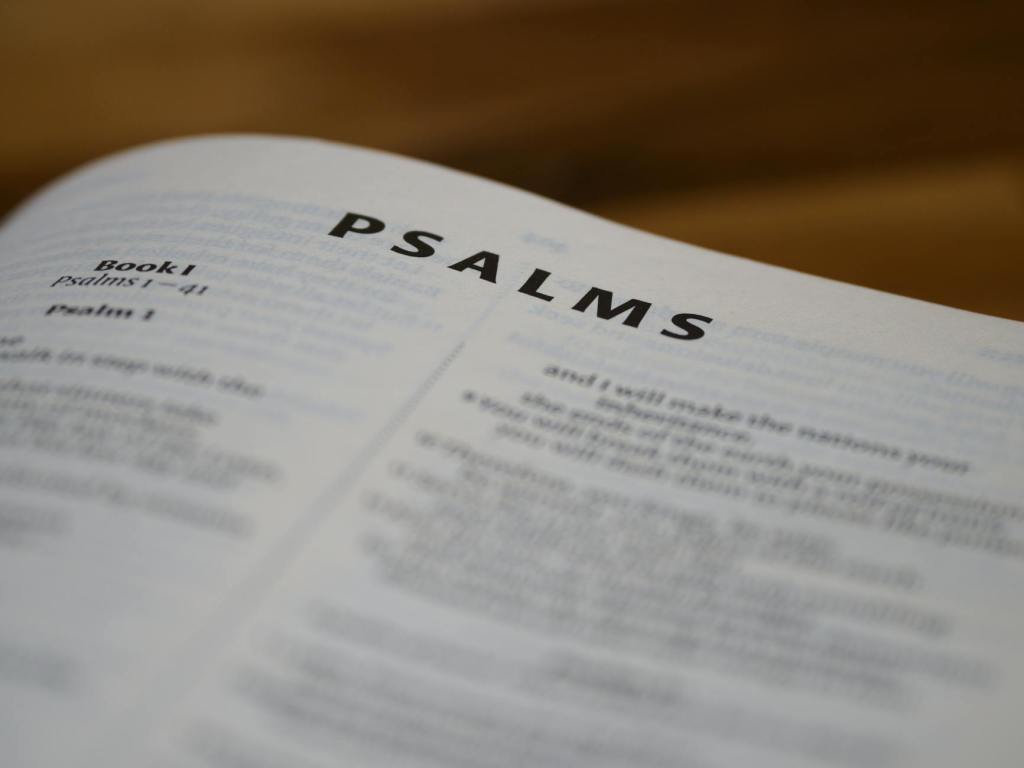
In his book Psalms: The Prayer Book of the Bible, first published in 1940, Dietrich Bonhoeffer invites us to delve into the Psalms with a fresh perspective, offering them as more than just ancient hymns or poetic expressions of faith. Instead, he presents them as a vital resource for Christian prayer and spiritual growth, a guidebook for believers seeking a deeper connection with God. Bonhoeffer’s insights challenge us to move beyond our own limited expressions of prayer, encouraging us to embrace the Psalms as a divine language given by God for our communication with Him.
“If we want to read and to pray the prayers of the Bible and especially the Psalms, therefore, we must not ask first what they have to do with us, but what they have to do with Jesus Christ… It does not depend, therefore, on whether the Psalms express adequately that which we feel at a given moment in our heart. If we are to pray aright, perhaps it is quite necessary that we pray contrary to our own heart. Not what we want to pray is important, but what God wants us to pray.”
The Psalms as a Divine Language
One of Bonhoeffer’s key insights is that the Psalms provide a language for prayer that goes beyond our personal emotions or situations. He argues that the Psalms are divinely inspired prayers, given by God for us to pray back to Him. This perspective is transformative—it suggests that when we pray the Psalms, we are not merely expressing our own thoughts or feelings but are participating in a dialogue initiated by God Himself.
Bonhoeffer writes, “The more deeply we grow into the psalms and the more often we pray them as our own, the more simple and rich will our prayer become.” This idea emphasizes the Psalms’ role in shaping our prayer life, teaching us to pray in ways that align with God’s will rather than merely reflecting our own desires. For Bonhoeffer, the Psalms are a spiritual treasure trove, offering prayers for every aspect of life—from thanksgiving and praise to lamentation and confession.
Praying in the Name of Jesus
Another profound aspect of Bonhoeffer’s teaching on the Psalms is the emphasis on praying them in the name of Jesus. He insists that the Psalms should be understood not only as the prayers of the Psalmists but also as the prayers of Jesus Christ. Bonhoeffer states, “The Psalter is the prayer book of Jesus Christ in the truest sense of the word. He prayed the Psalter and now it has become his prayer for all time.”
This Christocentric approach to the Psalms invites believers to see their own prayers as connected to the prayers of Jesus. When we pray the Psalms, we are not only speaking to God but are also joining in the prayers of Christ Himself. This connection gives our prayers a new depth and significance, as they are not isolated expressions but part of a continuous stream of divine communication.
“The Psalter is the prayer book of Jesus Christ in the truest sense of the word. He prayed the Psalter and now it has become his prayer for all time… we understand how the Psalter can be prayer to God and yet God’s own Word, precisely because here we encounter the praying Christ… because those who pray the psalms are joining in with the prayer of Jesus Christ, their prayer reaches the ears of God. Christ has become their intercessor.”
The Psalms in Daily Life
Bonhoeffer’s approach to the Psalms is not merely theoretical; it is deeply practical. He recommends incorporating the Psalms into daily life, suggesting that believers read and pray them regularly—morning and evening. This practice, he argues, helps to ground our daily lives in the rhythm of God’s Word, offering spiritual nourishment and guidance throughout our days.
He also cautions against cherry-picking Psalms based on personal preference, encouraging instead a comprehensive engagement with the entire Psalter. By doing so, we expose ourselves to the full range of human experience and divine response contained in the Psalms, allowing God’s Word to address every aspect of our lives.

The Psalms as a Source of Spiritual Power
In addition to their role in prayer, Bonhoeffer also reflects on the Psalms’ power to impact our lives in profound ways. He notes, for example, how David’s Psalms were used to drive out the evil spirit from Saul, suggesting that the Psalms can have a similar calming and even exorcistic effect in our own lives. This idea resonates with the broader Christian tradition, where the Psalms have been used in various spiritual practices, including exorcisms and healing rituals.
Moreover, Bonhoeffer highlights how the Psalms align with the themes of the Lord’s Prayer, further reinforcing their central role in Christian spiritual practice. By praying the Psalms, believers are reminded of God’s power, faithfulness, and grace—qualities that are essential for sustaining faith in difficult times.
“The more deeply we grow into the psalms and the more often we pray them as our own, the more simple and rich will our prayer become.”
A Personal Reflection
Reflecting on Bonhoeffer’s insights, it’s clear that the Psalms offer a unique and powerful resource for spiritual growth. For those of us who may have overlooked the Psalms or viewed them merely as poetic literature, Bonhoeffer’s teachings invite us to reconsider their significance. The Psalms are not just ancient texts but living prayers that can transform our spiritual lives. They offer a way to connect with God that is rooted in His Word, guided by His Spirit, and united with the prayers of Christ Himself.
In a world where prayer can often feel like a solitary or even self-centered activity, the Psalms remind us that true prayer is a communal and Christ-centered practice. They teach us to pray not just for ourselves but with the whole body of Christ, echoing the prayers that have been prayed by believers throughout the centuries.
As Bonhoeffer suggests, incorporating the Psalms into our daily prayer life can lead to a richer, more meaningful relationship with God. Whether we are offering praise, seeking forgiveness, or crying out in lament, the Psalms provide the words we need—words that have been given to us by God and are meant to be given back to Him.
Notes on psalms mentioned
- God is with us in our suffering, Psalm 23, 37, 63, 73, 91, 121.
- He bears the pain in my soul, Psalm 13.
- Hope in the gift of God of forgiveness, Psalm 6, 33, 38, 51, 102, 143, 130, 14, 15, 25, 31, 39, 40, 41.
- Hope, Psalms 5, 7, 9, 16, 17, 26, 36.
Conclusion: A Call to Pray the Psalms
As we reflect on Dietrich Bonhoeffer’s insights into the Psalms, it’s clear that they offer a profound and transformative resource for deepening our spiritual lives. The Psalms are more than ancient hymns; they are a divine language gifted to us by God, a way to align our prayers with His will and join in the prayers of Christ Himself.
In light of this, I’m inspired to embark on a new spiritual practice—spending more time in the Psalms. I plan to start by reading and praying one Psalm in the morning and one in the evening. This simple yet intentional rhythm is something I’m curious to explore, and I believe it could bring a new depth to my relationship with God.
I challenge you to join me in this practice. Let’s see what happens when we immerse ourselves in the Psalms, allowing them to shape our prayers and our lives. Whether you’re a seasoned believer or someone looking to renew your spiritual practices, incorporating the Psalms into your daily routine might just be the refreshment your soul needs.
I’ll be sure to follow up with another post to share how this journey unfolds for me. In the meantime, I’d love to hear how it goes for you. Feel free to share your experiences—whether it’s a Psalm that particularly resonates with you or the way this practice impacts your day. Let’s journey through the Psalms together and discover the richness they offer for our spiritual lives.

 Treasures of the Elysian Fields
Leave a comment