

Introduction
Welcome to the tranquil world of forest bathing, where the ancient wisdom of communing with nature meets modern scientific understanding. For thousands of years, humans have sought solace and connection amidst the trees, intuitively recognizing the restorative power of the natural world. And now, backed by a growing body of research, experts are shedding light on the myriad health benefits that await those who venture into the forest’s embrace.
Intrigued? You’re not alone. Forest bathing, or shinrin-yoku in Japanese, has captured the imagination of wellness seekers and nature lovers alike. But what exactly is forest bathing? Picture it as meditation in motion, a gentle invitation to immerse yourself in the sights, sounds, and scents of the forest. Shinrin-yoku, literally translated as “forest bathing,” (Japanese: 森林浴, 森林 (shinrin, “forest”) + 浴 (yoku, “bath, bathing”)) encourages us to slow down, unplug from the hustle and bustle of daily life, and reconnect with the natural world.
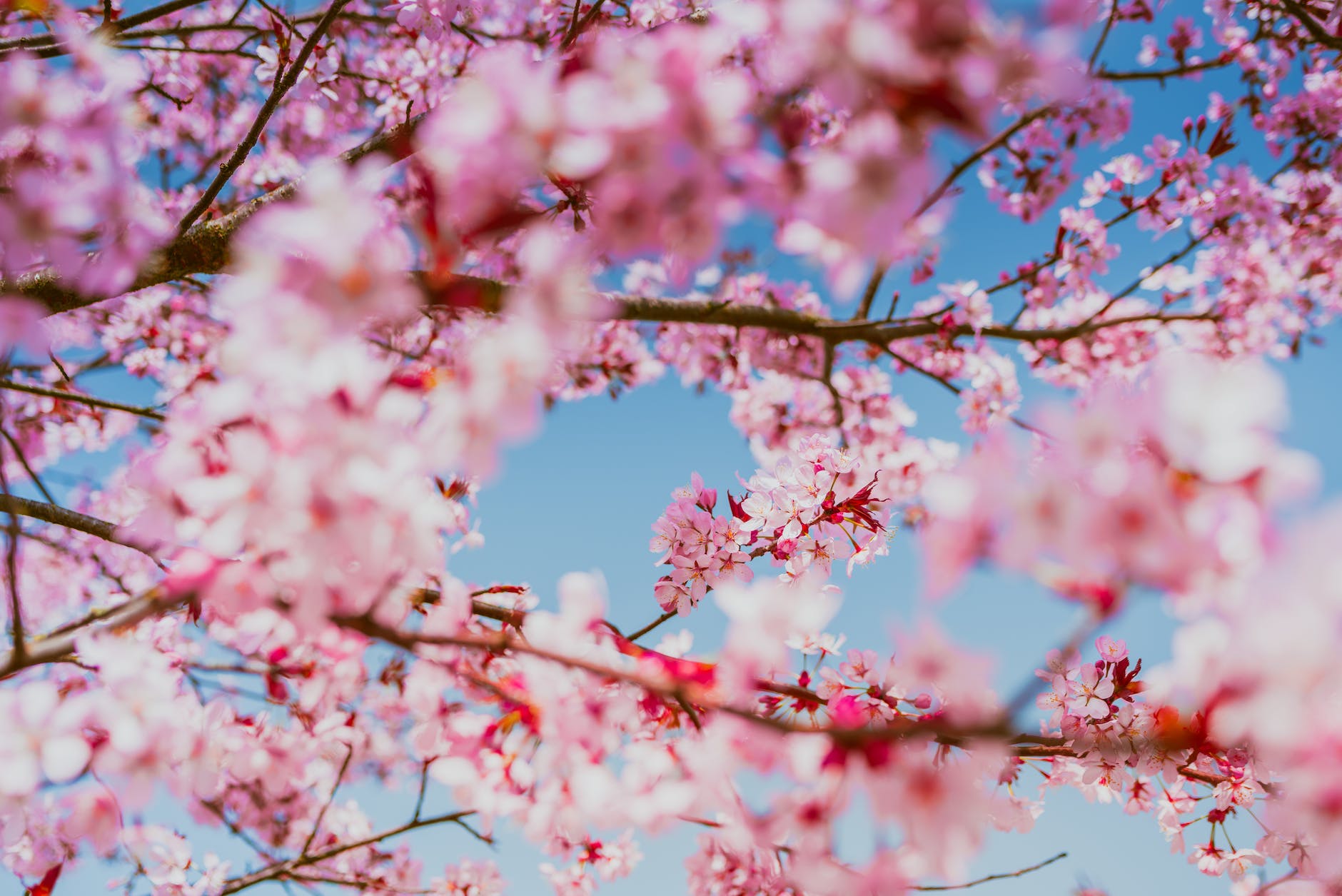
As you meander through the woodland pathways, leaving behind the distractions of modern technology, you’ll find yourself enveloped in a sense of calm and tranquility. The practice of forest bathing isn’t about conquering trails or reaching summits; it’s about being present, fully attuned to the symphony of life that surrounds you. Amongst the towering trees and dappled sunlight, each step becomes a meditation, each breath a reminder of the interconnectedness of all living things.
But the benefits of forest bathing extend far beyond the ephemeral pleasures of a leisurely stroll. Research has shown that spending time in nature can have a profound impact on our physical and mental well-being. From reducing stress and anxiety to enhancing mood and creativity, the healing power of the forest is nothing short of extraordinary. And with each deep inhalation of fresh, oxygen-rich air, you’re not just nourishing your body—you’re nourishing your soul.
So, whether you’re a seasoned outdoor enthusiast or a city dweller yearning for a taste of nature’s embrace, consider embarking on your own forest bathing adventure. Take a moment to step outside, to feel the earth beneath your feet and the sunlight on your skin. In a world filled with noise and distraction, the quiet beauty of the forest beckons—a sanctuary for the mind, body, and spirit.
“Oh, these vast, calm, measureless mountain days, inciting at once to work and rest! Days in whose light everything seems equally divine, opening a thousand windows to show us God. Nevermore, however weary, should one faint by the way who gains the blessings of one mountain day; whatever his fate, long life, short life, stormy or calm, he is rich forever.” ― John Muir, My First Summer in the Sierra
Shinrin-yoku Practice
To fully harness the rejuvenating power of forest bathing, it’s essential to engage all of your senses and allow yourself to become fully immersed in the sensory experience of nature. Here are some simple yet profound ways to embrace the sensuality of shinrin-yoku:
Listen to the Symphony of the Forest: Close your eyes and tune in to the gentle rustle of leaves, the melodious songs of birds, and the soothing hum of insects. Let the natural symphony wash over you, calming your mind and lifting your spirits.
Connect Through Touch: Take a moment to touch the rough bark of a tree, feel the cool earth beneath your feet, and run your fingers through the soft foliage. By physically connecting with the natural world, you deepen your sense of presence and connection. Careful to avoid poison Ivy and poison Oak. 😉
Inhale the Fragrance of Nature: Pause to inhale the subtle perfume of wildflowers, the earthy scent of moss, and the invigorating aroma of pine needles. Each breath is a gift, carrying with it the essence of the forest and awakening your senses.
Marvel at the Beauty Around You: Open your eyes to the awe-inspiring beauty of your surroundings. Notice the interplay of light and shadow, the intricate patterns of leaves and branches, and the vibrant hues of the forest floor. Allow yourself to be captivated by the sheer wonder of nature’s artistry.
Savor the Taste of Fresh Air: Take a moment to savor the crispness of the air as you breathe deeply. Allow the pure, oxygen-rich breeze to fill your lungs and invigorate your body, refreshing your spirit with each inhalation.
Remember, forest bathing is not a strenuous activity or a task to be completed—it’s a state of being, a practice of mindfulness and presence in nature. By opening yourself to the sensory delights of the forest, you bridge the gap between yourself and the natural world, cultivating a deep sense of connection and harmony. So, let go of expectations, slow down, and allow yourself to be fully present in the magic of the moment.
“I came to life in the cool winds and the crystal waters of the mountains, and were it not for a thought now and then of loneliness and isolation the pleasure of my existence would be complete.” – John Muir
Shinrin-yoku for Mental Health
Forest bathing isn’t just a treat for the senses—it’s also a powerful form of therapy for our mental well-being. Studies have shown that spending time in nature can have profound effects on our psychological health, helping to reduce stress, anxiety, and symptoms of depression. Regrettably, it is not a permanent remedy, as its effects diminish once you are no longer engaged in forest bathing.
Forest bathing, in my opinion, tends to evoke hedonic happiness rather than eudaimonic happiness. Hedonic happiness relies on external stimuli to evoke feelings of joy and satisfaction. It’s akin to indulging in a sumptuous dessert or reveling in the warmth of a sunny day—pleasurable in the moment, but fleeting once the experience dissipates. When you depart from the forest and reenter urban or suburban surroundings, your connection to nature diminishes, and the happiness derived from forest bathing dissipates.
John Muir is a great example, his soul longed for the mountains when he was away from them (jokingly referred to as altitude sickness), many of us feel a deep yearning for the healing embrace of the forest. It’s not just a passing fancy or a temporary escape—it’s a visceral need, a longing for something essential to our sense of self. And while it may seem addictive in nature, drawing us back time and time again, perhaps that’s because it speaks to a fundamental aspect of our humanity—the innate desire to connect with the world around us, to find solace and meaning in the beauty of the earth.
Forest bathing, while offering temporary relief from the stresses of modern life, truly shines in its capacity to nurture our souls and foster a sense of hedonic happiness. Despite the transient nature of happiness derived from hedonic pleasures like forest bathing, it still offers benefits. In fact, indulging in hedonic pleasures such as forest bathing is preferable to those that can be easily abused, such as sex, eating, drinking, or drugs.
Peter James, an assistant professor in Harvard T.H. Chan School of Public Health’s Department of Environmental Health, highlights an important aspect of our relationship with nature: the fleeting nature of its benefits when experienced sporadically. His research suggests that the profound advantages attributed to visits like those to Yosemite National Park may not be as substantial as we imagine. Instead, he emphasizes the necessity of integrating nature into our daily lives. This sentiment underscores the transient nature of hedonic pleasure—a concept that resonates with the idea that occasional camping trips may not yield the long-term health benefits we seek. It becomes evident that our connection to nature is not as robust as it should be, perhaps indicating a loss of innocence in our modern society. Therefore, it’s increasingly clear that sustained exposure to nature is crucial for our overall well-being and health.
Before dismissing these concepts as mere hokum, it’s important to recognize that there is a robust scientific foundation underlying the benefits of practices like forest bathing and nudism. Numerous studies fall under the umbrella of environmental psychology, a field dedicated to understanding the relationship between human well-being and the environments we inhabit. This branch of psychology explores how factors such as natural landscapes, urban design, and exposure to green spaces impact our mental and physical health. By delving into the mechanisms through which nature affects our well-being, environmental psychology provides valuable insights into the tangible benefits of reconnecting with the natural world.
“A few minutes ago every tree was excited, bowing to the roaring storm, waving, swirling, tossing their branches in glorious enthusiasm like worship. But though to the outer ear these trees are now silent, their songs never cease.”― John Muir, My First Summer in the Sierra

Our Necessary Connection with Nature
In a world dominated by concrete jungles and artificial landscapes, it’s easy to forget our intrinsic bond with nature—a bond that stretches back to the very origins of our species. From the Garden of Eden to our primal existence in nature’s embrace, humans have long thrived in symbiosis with the natural world. Nude and unencumbered, we once roamed in harmony with the earth, our senses attuned to the rhythms of the wilderness.
But as we’ve forged ahead into the modern era, our connection with nature has grown increasingly tenuous. Surrounded by the trappings of urban life, we find ourselves adrift from the natural environments that once sustained us. Yet, despite our apparent detachment, we remain inexorably linked to the delicate balance of life on Earth.
Consider, for instance, the narrow band of habitable conditions that define our existence on this planet. Stray too far from this delicate equilibrium, and our survival is imperiled—a stark reminder of our profound dependence on the natural world. Drop a person into the void of space, and the consequences are clear: without the life-sustaining environment provided by Earth, we are unable to endure.
In our urban enclaves, separated from the verdant landscapes that nourish our souls, it’s all too easy to overlook our responsibility to care for the environment. Out of sight, out of mind—a phrase that encapsulates our tendency to prioritize immediate concerns over the long-term health of our planet. Yet, as we immerse ourselves in the tranquility of nature, our awareness is heightened, and our connection to the environment is reaffirmed.
All of this is to say that as human beings, we live in a symbiotic relationship with this life-sustaining planet. Therefore, it is in our best interest to act as wise stewards of our planet and the lands we inhabit. This necessitates ensuring that trees and parks are accessible within cities. Many cities are now incorporating parks into their urban planning, preserving open spaces for wildlife and creating park areas that facilitate this connection. However, urban settings may present challenges for activities like forest bathing, as seen in places like Central Park.
This synergy between humanity and nature is not lost on all. Within the realm of Christianity, there exists a movement known as evangelical environmentalism—a call to action rooted in biblical teachings about stewardship and humanity’s role as caretakers of Creation. It’s a reminder of our divine mandate to nurture and protect the world around us—a mandate that echoes the idyllic days spent tending to the Garden of Eden.
The reality is that the only environment capable of sustaining human life is here on Earth. Even in orbit, where astronauts experience physiological impacts on their bodies due to the absence of Earth’s gravitational pull and other environmental factors, we are constantly reminded of our dependence on our home planet. As we cast our gaze toward other celestial bodies, such as Mars, in search of potential habitats for future colonization, we are faced with the daunting task of recreating the conditions found here on Earth. Mars, with its barren landscapes and inhospitable atmosphere, presents a unique challenge. While we may be able to engineer artificial environments capable of supporting human life on Mars, the question remains: will it ever truly be the same as the rich and diverse ecosystem we call home? Only time will tell.
“We are now in the mountains and they are in us, kindling enthusiasm, making every nerve quiver, filling every pore and cell of us.” ― John Muir, My First Summer in the Sierra
Naturism and Shinrin-yoku
Naturists, who embrace the practice of nudism, have long recognized a profound connection between nudity and nature, believing that shedding societal conventions heightens the experience of forest bathing. Stripped of clothing, naturists find themselves fully immersed in the natural environment, allowing for an unparalleled connection with the world around them. Without barriers or distractions, their senses are heightened, and their attention is undivided—resulting in a deeper, more immersive forest bathing experience. While studies on the subject are limited, it’s conceivable that nude forest bathing could yield even greater benefits, amplifying the therapeutic effects of communing with nature.
Indeed, the allure of naturism extends beyond mere recreation; it represents a longing to return to a more primal and authentic state of being. This desire for a deeper connection with nature is evident in movements like naked gardening, where individuals seek to cultivate a symbiotic relationship with the earth. For some, this connection borders on reverence, with nature taking on a quasi-spiritual significance. This yearning to return to a state of harmony with the natural world underscores a fundamental aspect of human nature—a longing for the Edenic innocence from which we feel disconnected. As we strive to reestablish this bond, whether through forest bathing, nudism, or other means, we are reminded of our innate desire to reclaim our rightful place within the natural order.
The German free body culture of the late 19th and early 20th centuries, rooted in the belief that nudity enhances physical and mental well-being, emphasized the health benefits of exposing oneself to light, air, and sun in a natural setting. Although distinct from the Japanese concept of forest bathing, this movement shared a fundamental connection to nature. In fact, the recognition that nudism could amplify the benefits of forest bathing appears to have been acknowledged within the German free body culture. By embracing nudity as a means of fostering a deeper connection with the natural world, adherents of this movement intuitively grasped the holistic benefits of immersing oneself in nature, unencumbered by clothing.
In John Muir’s immersive account of his Sierra adventures, he vividly portrays the transformative power of nature’s embrace. Skinny dipping in a cold mountain river near Yosemite’s iconic Half Dome, Muir discovers a profound sense of liberation and connection. Amidst the majestic peaks and rushing waters, he finds himself enveloped in a symphony of beauty, where every sensation is heightened and every movement becomes a dance of pure pleasure. Muir’s words resonate with a deep reverence for the natural world, reminding us of the boundless joy and awe that await those who dare to immerse themselves in its embrace.
“No pain here, no dull empty hours, no fear of the past, no fear of the future. These blessed mountains are so compactly filled with God’s beauty, no petty personal hope or experience has room to be. Drinking this champagne water is pure pleasure, so is breathing the living air, and every movement of limbs is pleasure, while the whole body seems to feel beauty when exposed to it as it feels the camp-fire or sunshine, entering not by the eyes alone, but equally through all one’s flesh like radiant heat, making a passionate ecstatic pleasure-glow not explainable. One’s body then seems homogeneous throughout, sound as a crystal.” – Muir, John (2015-03-29). My First Summer in the Sierra (Illustrated) (Kindle Locations 1238-1242). Kitrinos Publishers.

Collaboration and Commitment
As I reflect on the importance of reconnecting with nature, I realize the need to be more intentional about incorporating this vital practice into my life. I am making a commitment to spend more time in nature, recognizing that even brief moments outdoors can have a profound impact on my well-being. I invite you to join me on this journey of self-discovery and renewal.
Beyond the psychological benefits, I am drawn to the spiritual aspects of spending time in nature. I see it as an opportunity for meditation and prayer, a chance to walk in the garden with God and find solace in the beauty of creation.
But our connection to nature goes beyond personal enrichment—it is also a call to action to preserve and protect our environment for future generations. By being more intentional about our interactions with nature, we can ensure that more people have access to its countless benefits.
I am committed to promoting this healthy activity and invite you to join me in this endeavor. Together, let us make a conscious effort to spend more time in nature, to nurture our minds, bodies, and spirits, and to safeguard the precious ecosystems that sustain us all.
Will you join me? Let’s embark on this journey together.
Reflection
- What are some of your favorite ways to connect with nature and experience its benefits? Please share your go-to outdoor activities or special places that help you recharge and find peace.
- How do you incorporate mindfulness or spirituality into your time spent in nature? I’d love to hear about your experiences and any tips you have for deepening your connection with the natural world.
- What steps are you taking to protect and preserve the environment in your daily life? I am curious to learn about the actions you’re taking to ensure a sustainable future for our planet.
Resources
Books
- Forest Bathing: How Trees Can Help You Find Health and Happiness by Dr Qing Li
- The Healing Magic of Forest Bathing: Finding Calm, Creativity, and Connection in the Natural World by Julia Plevin
- Your Guide to Forest Bathing (Expanded Edition): Experience the Healing Power of Nature by M. Amos Clifford
- My First Summer in the Sierra by John Muir
Articles and Research
- ‘Forest Bathing’ Is Great for Your Health. Here’s How to Do It https://time.com/5259602/japanese-forest-bathing/
- Aromatherapy and shinrin-yoku https://salvatorebattaglia.com.au/blog/162-aromatherapy-and-shinrin-yoku
- The health benefits of trees https://www.hsph.harvard.edu/news/hsph-in-the-news/the-health-benefits-of-trees/
- People and Trees: An Intimate Connection https://www.americanforests.org/article/people-and-trees-an-intimate-connection/
- How To Connect With Nature (And Grow As A Human Being) https://nature-mentor.com/how-to-connect-with-nature/
- What Happens When We Reconnect With Nature https://greatergood.berkeley.edu/article/item/what_happens_when_we_reconnect_with_nature
Organizations & Communities
- Evangelical Environmental Network (EEN) https://creationcare.org/
- The American Scientific Affiliation, Environment https://www.asa3.org/ASA/topics/environment/index.html
- The Positive Effects Of Nature On Your Mental Wellbeing https://positivepsychology.com/positive-effects-of-nature/
- The Association of Nature and Forest Therapy Guides and Programs (ANFT) https://www.anft.earth/
- The Forest Bathing Institute https://tfb.institute/
- National Religious Partnership for the Environment http://www.nrpe.org/

 Treasures of the Elysian Fields
Leave a comment