

“Ordinary Men: Reserve Police Battalion 101 and the Final Solution in Poland” by Christopher R. Browning, Kevin Gallagher, et al.
Description of Ordinary men
“Ordinary Men” by Christopher R. Browning delivers a jolting narrative of how an ordinary group of middle-aged Germans transformed into ruthless killers responsible for the deaths of tens of thousands of Jews. This book unfolds the true account of Reserve Police Battalion 101 of the German Order Police during 1942 in Poland. Browning contends that the majority of these men were not ardent Nazis but rather average, working-class individuals who, driven by a complex interplay of factors such as group conformity, deference to authority, role adaptation, and moral norm shifts, committed heinous acts.
Within the battalion, distinct groups swiftly emerged: an enthusiastic core of killers, a majority performing their duties reliably but without initiative, and a small minority abstaining from direct involvement in the atrocities without diminishing the battalion’s murderous efficiency. While the narrative delves into the specific actions of Reserve Unit 101 during WWII, Browning’s overarching argument asserts that the pressures of group dynamics can lead most individuals to commit actions they would otherwise never contemplate.
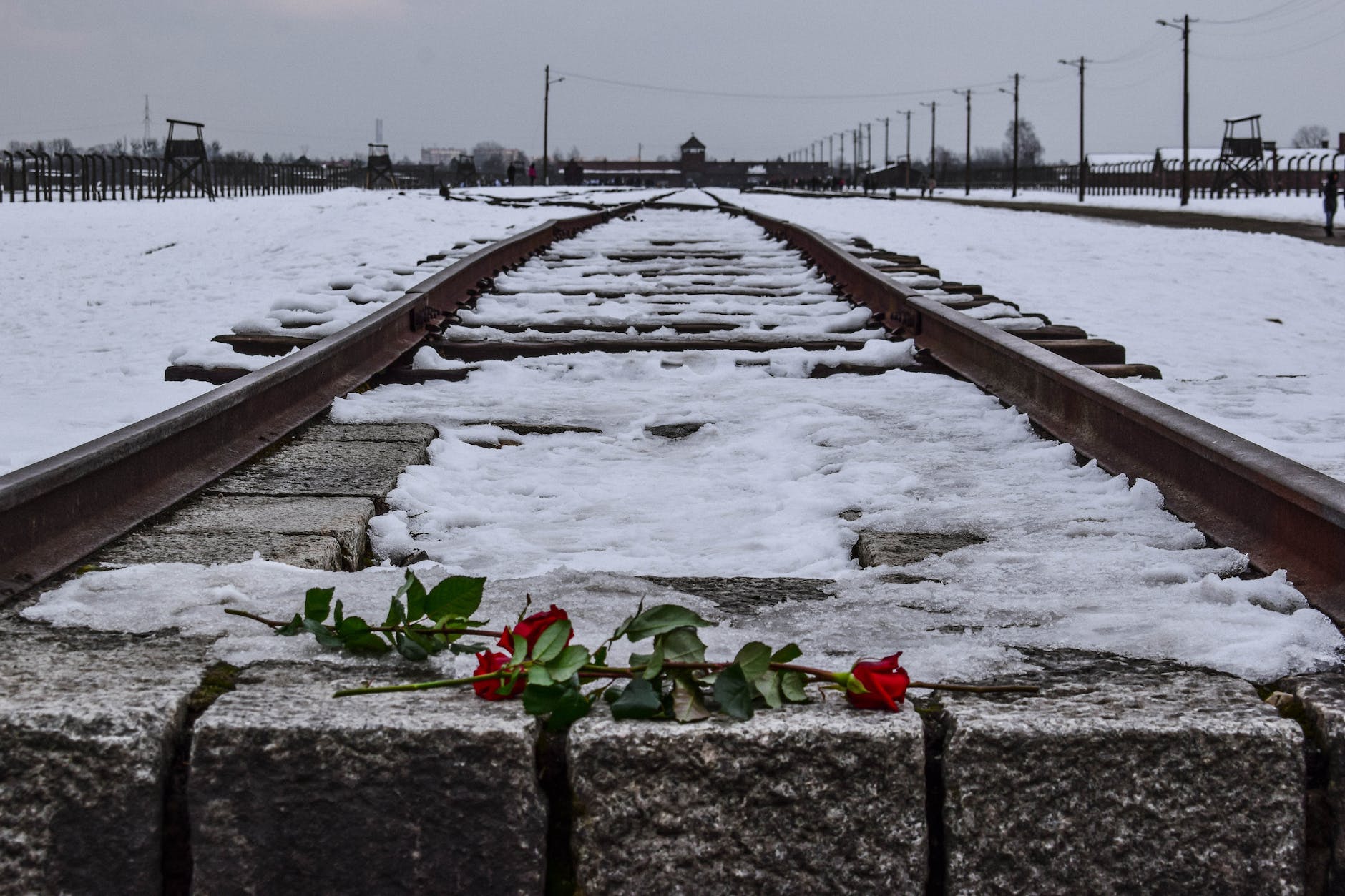
Observations of Ordinary Men
In 2012, when I first delved into the pages of “Ordinary Men,” the shock it elicited left an indelible mark on my perception. The bone-chilling narrative of how an average group of individuals transformed into cold-blooded killers made me reflect on the belief that such atrocities couldn’t happen in our own context. The resonance of this story extends beyond its historical setting, prompting a thought-provoking exploration of its applicability to contemporary issues. “Ordinary Men” serves as a stark reminder that the dynamics driving individuals towards unthinkable actions are not confined to the past, urging us to confront the uncomfortable possibility that similar forces may operate in today’s world.
Before immersing myself in the pages of this book, my understanding of how ordinary Germans could become perpetrators of mass murder was admittedly naive. It’s tempting to attribute such actions solely to anti-Semitism, but “Ordinary Men” reveals a far more intricate truth. The complexity of the factors at play suggests that people often lean towards simplistic explanations over nuanced ones. It’s crucial to recognize that the last straw, while significant, did not act alone in breaking the metaphorical camel’s back. Acknowledging these intricacies becomes paramount, not only for historical comprehension but as a vital step towards avoiding the repetition of similar mistakes. “Ordinary Men” compels us to confront the multifaceted nature of human behavior in extreme circumstances, urging us to delve beyond facile explanations in our quest for understanding and prevention.
“Those who cannot remember the past are condemned to repeat it” – George Santayana, The Life of Reason, 1905.
Browning’s meticulous research, delving into trial records and testimonies, is commendable for its role in providing insight into the minds of those involved, unraveling the complexities that fueled their actions. This thorough examination contributes to a higher resolution of the broader historical picture. Yet, what makes this exploration truly unsettling is the introspective question it raises—where would I stand if I were in Germany during WWII? It’s a sobering realization that asserting one’s moral stance in the face of such immense societal pressure is easier said than done. The contemplation of whether I could resist participating in mass atrocities, given the human capacity for both courage and cruelty, is a disquieting thought. While it’s tempting to speculate, the truth remains elusive until faced with the dire circumstances these individuals encountered. The inner conflict between standing up for one’s beliefs and the instinct for self-preservation adds a profound layer to the sobering reflections prompted by “Ordinary Men.”
The disconcerting ease with which individuals in “Ordinary Men” transitioned into the role of cold-blooded killers raises profound concerns about human susceptibility to such transformations. This chilling realization sparks a worrisome contemplation of the present political climate, marked by divisive ideologies. The historical narrative serves as a cautionary tale, prompting us to question how easily such shifts could occur in today’s world. The prevalence of radicalization through online platforms and social media amplifies these concerns, highlighting the potential for rapid and widespread influence. As we witness the precarious state of the world, the parallels drawn between the past and the present urge us to remain vigilant against the subtle erosion of moral boundaries and the consequences of unchecked ideological extremism.
The age-old question of whether human nature tends towards good or evil is profoundly examined through the lens of “Ordinary Men.” The stark realities laid bare in this narrative compel readers to confront the darker aspects of our shared humanity. The atrocities committed by the individuals in Reserve Police Battalion 101 challenge the notion of inherent goodness, painting a disquieting picture of mankind’s capacity for cruelty. Group conformity, deference to authority, role adaptation, and shifts in moral norms depicted in the book resonate eerily with contemporary societal dynamics. The uneasy conclusion one might draw is that, given the right circumstances, humanity harbors a predisposition towards malevolence. The book’s portrayal of ordinary individuals succumbing to these forces serves as a poignant reminder that understanding and addressing these aspects of human nature is crucial to preventing history from repeating itself. The stage, as suggested by the narrative, seems ominously set for the recurrence of such patterns.
“Those that fail to learn from history are doomed to repeat it.” – Winston Churchill
Undoubtedly, “Ordinary Men” has left a profound impact on me, reshaping my concerns about our political landscape and the broader nature of humanity. The book’s compelling narrative, though emotionally challenging, serves as a stark reminder of the insidious ways in which evil can permeate society. While recommending this read may come with a caution about its emotional intensity, the awareness it fosters regarding the subtle infiltration of malevolence is invaluable. This awareness becomes a potent tool in the collective effort to confront and ultimately defeat such forces. “Ordinary Men” stands as more than a historical account; it’s a call to vigilance, urging readers to grapple with uncomfortable truths that resonate with contemporary challenges.
Addressing the weighty themes explored in “Ordinary Men” inevitably brings us face to face with the complexities of the real world. Life, as I often emphasize, is inherently messy. Contemplating the choices made by individuals like Dietrich Bonhoeffer, who stood up against the Nazis, raises profound questions about personal courage in the face of dire circumstances. Bonhoeffer’s unwavering commitment to doing what was right, even in the face of a looming death sentence, serves as a poignant example. It prompts a sobering self-reflection: Would we have the same resolve? Could we summon the courage to make the morally right choice, even when confronted with the certainty of peril? These questions challenge us to consider the depth of our convictions and the lengths we would go to uphold them in the face of adversity.
The recent exposure to two distressing videos on social media has brought the harsh realities of conflict to the forefront once again. One video depicted Hamas leaders instructing Palestinian children under 10 years old to enact violence against other children portraying Jewish individuals. Another video featured interviews with preteen Palestinian children expressing disturbingly hateful views about Jews in the context of Israel. Witnessing the manipulation and indoctrination of young minds for such purposes is undeniably heartbreaking. The profound impact on these innocent children, who are subjected to divisive narratives and encouraged towards hostility, evokes a deep sense of empathy and concern.
“Most things are good, and they are the strongest things; but there are evil things too, and you are not doing a child a favor by trying to shield him from reality. The important thing is to teach a child that good can always triumph over evil.” – Walt Disney
Reflection
- After exploring the narrative of “Ordinary Men” and considering the factors that led ordinary individuals to commit heinous acts, how do you perceive the potential influence of societal pressures on human behavior in today’s world?
- Reflecting on the videos depicting the manipulation of Palestinian children in acts of violence and expressions of hatred, how does this stark reality shape your understanding of the impact of conflict on the younger generation? What responsibility do you believe exists in safeguarding the innocence of children amidst such circumstances?
- In contemplating the moral dilemmas presented by “Ordinary Men” and the courageous stand of figures like Dietrich Bonhoeffer, consider your own convictions. Would you be willing to take a principled stance, even if it meant facing severe consequences? How does the awareness of historical events and contemporary challenges influence your perception of personal courage and moral responsibility?

 Treasures of the Elysian Fields
Leave a comment