

Recently, my child expressed being triggered by something I said, prompting a thoughtful reflection on the dynamics of communication within our family. In an attempt to encourage mutual understanding, I shared that their reaction had triggered a response in me as well. However, it became apparent that their belief in the validity of their trigger took precedence. The situation unfolded with a dismissive attitude, as if their trigger was inherently superior and justified, while mine was deemed less valid.

Recently I saw a meme that crystalize my feelings about that interaction, sparking a reflection on the dynamics within modern workplaces and interpersonal relationships. The meme in question reads, “Your triggers are your responsibility. It isn’t the world’s obligation to tiptoe around you.” This seemingly straightforward statement unveils a deeper truth about the current state of office environments and the pressing need for individuals to take responsibility for their own emotional responses.
Walking on Eggshells: A Sign of Toxicity
The notion of walking on eggshells in the workplace is all too familiar to many. It’s an uncomfortable dance, a constant fear of saying or doing something that might set off a colleague. While disagreements and misunderstandings are inevitable, the prevalence of this delicate atmosphere suggests a larger problem – a toxic work environment.
Taking Responsibility for Emotional Responses
At the heart of the meme lies a powerful message about emotional intelligence and personal responsibility. It speaks to the idea that everyone has triggers, but how we handle them is our own responsibility. Acknowledging that our reactions are within our control, even in the heat of the moment, is a key aspect of emotional intelligence.
The Space Between Stimulus and Response
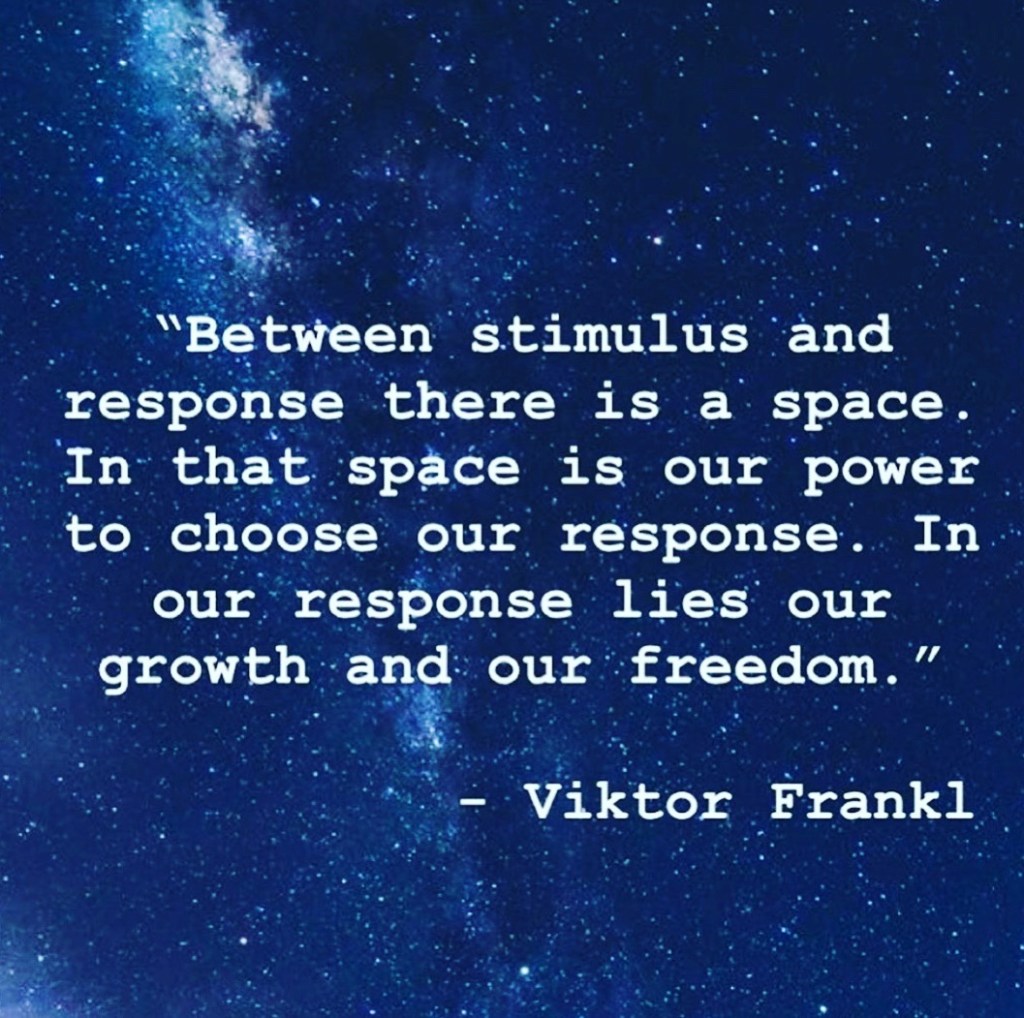
There is a crucial space between stimulus and response. This space is where our power lies – the power to choose our reaction. In that moment, we have the opportunity to exercise self-control and respond in a manner that fosters a positive and constructive environment.
Victor Frankl, a renowned psychiatrist and Holocaust survivor, eloquently expressed this concept: “Between stimulus and response there is a space. In that space is our power to choose our response. In our response lies our growth and our freedom.” Frankl’s words emphasize the transformative potential that lies in taking control of our reactions, even when faced with challenging situations.
The “You Triggered Me” Copout
The popular phrase “you triggered me” has become a convenient excuse in many workplace interactions. However, it’s essential to recognize that using this as a shield deflects personal responsibility. It’s a copout, a failure to grow and learn how to navigate setbacks and emotions effectively.
Your Triggers, Your Problem
In a professional setting, it’s crucial to understand that the responsibility for one’s triggers rests with the individual experiencing them. Colleagues cannot be expected to tiptoe around each other’s sensitivities. Rather, it is incumbent upon each person to develop the self-awareness and emotional resilience needed to manage their triggers constructively.
Navigating the delicate balance between expressing oneself authentically and avoiding triggering others is a complex task. While I consciously refrain from intentionally triggering people, I acknowledge the challenge of truly understanding everyone’s emotional state in a work environment. Despite my best efforts to meet individuals where they are emotionally, it’s an inherently challenging task. In a professional setting, determining colleagues’ emotional landscapes can be intricate, and it may not always be humanly possible to anticipate every trigger. Additionally, the investment of time and effort required to discern and accommodate everyone’s emotional well-being is considerable – a burden that employers may not be willing to bear financially. Striking a balance between genuine communication and recognizing the limitations of emotional insight is a constant endeavor in fostering a healthy workplace dynamic.
- Your triggers? Your deal, not mine.
- Your lack of planning? Your headache, not mine.
- You getting offended when no offense is meant? Your issue, not mine.
Conclusion
The workplace meme serves as a poignant reminder that fostering a healthy and productive work environment starts with personal responsibility. As individuals, we must recognize that our triggers are our own to manage. By embracing the space between stimulus and response, we empower ourselves to choose growth and freedom over reactivity. It’s time to shift away from the “you triggered me” mindset and towards a culture of self-awareness, empathy, and accountability in the workplace.
Reflection
- How do you navigate triggers and maintain a positive work environment in your own professional life?
- Have you ever encountered a situation where personal responsibility for triggers played a crucial role? How did you handle it?
- In what ways can we foster a culture of emotional intelligence and personal responsibility among people to create a healthier relationship dynamic?
Resource
Don’t Just React: Choose Your Response, by Leslie Becker-Phelps Ph.D., Psychology Today https://www.psychologytoday.com/us/blog/making-change/201307/dont-just-react-choose-your-response

 Treasures of the Elysian Fields
Leave a comment