

One compelling reason that individuals choose to be nude is to experience a deep connection and oneness with nature. As human beings, we are inherently intertwined with our ecosystem, and by removing the barrier of clothing, we can forge a stronger bond with the natural world. Being naked in nature provides a unique sensation that is distinct from the feeling of wearing clothes. Every inch of our skin becomes receptive to the touch of the sun, the gentle caress of the breeze, or the refreshing embrace of water. In this state, we become acutely aware of the flow and rhythm of the elements around us. Even the sensation of rain falling upon our exposed bodies takes on a heightened significance. By shedding the confines of clothing, we open ourselves to a profound connection that reawakens our senses and allows us to fully appreciate the wonders of the natural environment.
Refer to my earlier post exploring the myriad reasons individuals embrace nudism for a comprehensive look at the diverse motivations behind this liberating lifestyle. The Reasons Why People Like to Get Nude & Defining Nudism and Naturism.
In the early naturist movement, connecting with nature in this manner was one of the primary motivations for engaging in nudism. (Merrill, Frances (2013-04-16). Among the Nudists – Early Naturism) The notion of experiencing a deep connection with nature through nudity closely aligns with Philip Carr-Gomm’s concept of sensual nudism, which emphasizes the heightened sensations and sensory experiences that arise when one is free from clothing. It is important to note that “sensual” here pertains to the broader sense of sensation rather than the strictly erotic connotation. This particular reason for embracing nudity finds resonance with Augustine Rae’s idea of wilderness nudists.
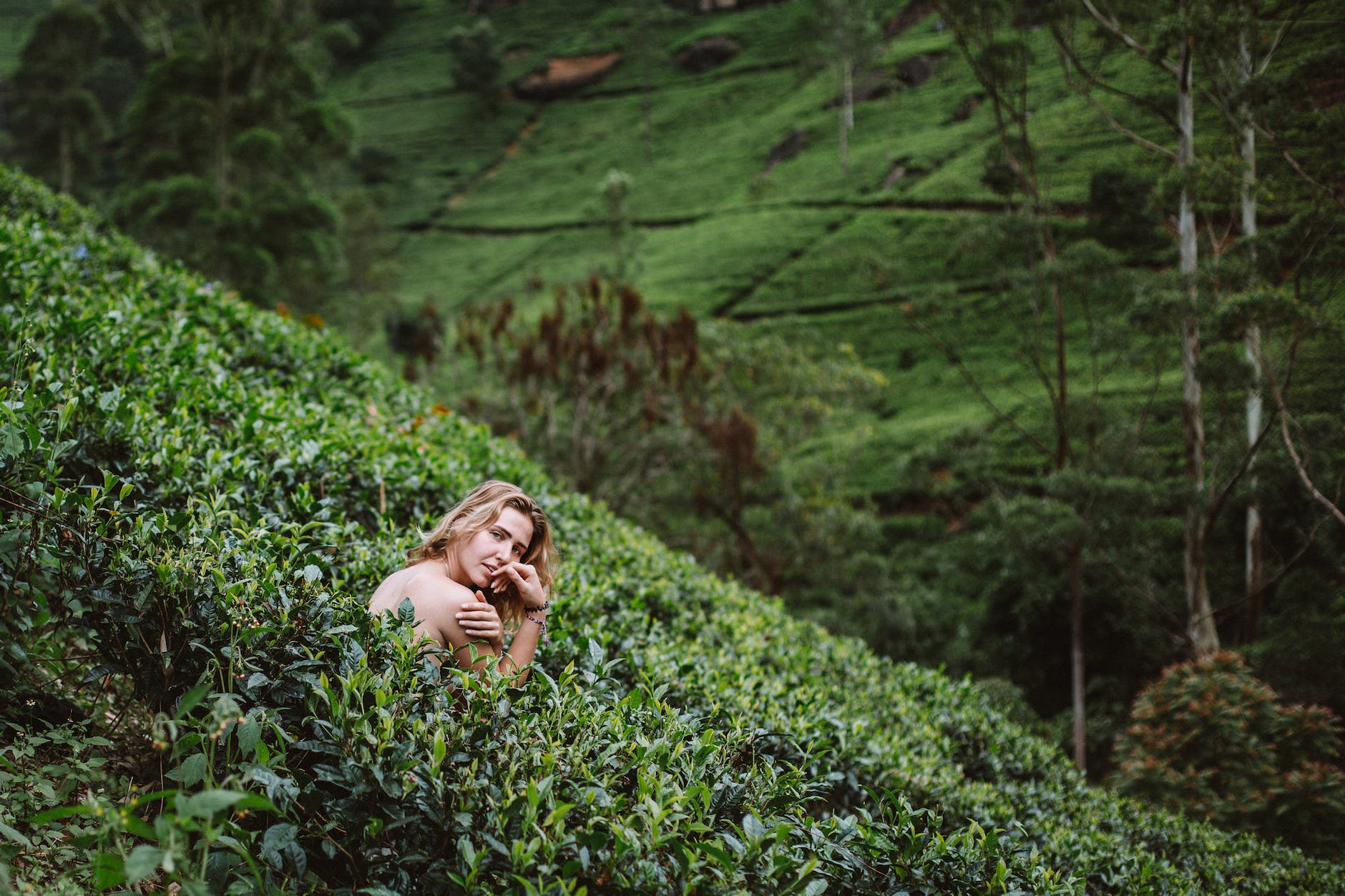
There is some overlap with some religious motives with the notion of nudity connecting us with nature.
The concept of nudity as a means of connecting with nature shares certain similarities with religious motives as well. In spiritual practices such as Druidry and Wicca, there exists a desire to bridge the gap between the spiritual and the physical realms, fostering a deep connection with both nature and the divine. The idea of using nudity as a means of connecting with nature reflects a more integrated perspective, where the physical body is recognized as an essential part of the spiritual experience, and the natural world is seen as a manifestation of the divine. By embracing nudity in this context, individuals seek to forge a profound union between themselves, nature, and the spiritual realm. This holistic approach emphasizes the interconnectedness of all aspects of existence. It stands in contrast to ancient Gnostic dualism, which propagated the belief that the spiritual realm is inherently good while regarding the physical world as inherently flawed or corrupt.
From a Christian perspective, the connection between nudity and nature can be understood by reflecting on the narrative of the garden of Eden. In the beginning, the garden was a place of perfection, where humanity enjoyed a harmonious relationship with God, each other, and the natural world. God’s own beauty was reflected in the bodies and souls of human beings, emphasizing the inherent goodness of both. However, after the fall and the introduction of sin, a sense of shame became associated with nudity, leading to a disconnection from our original state of innocence. Nevertheless, within Christian theology, there is often a longing to return to the purity and wholeness of the garden of Eden, a desire to regain our God-intended natural state of nakedness and symbiotic living with nature. This anticipation extends to the hope of the New Heavens and New Earth, a future state where it is believed that humanity will once again experience the restored harmony and unity with God, one another, and the natural world, resembling the beauty and perfection of the original garden.
The concept of nudity intertwined with nature resonates strongly with environmentalism, as it recognizes the inherent connection between human beings and the natural world. An example of this overlap can be found in initiatives like the TreeSpirit Project, where individuals engage in artistic expressions of nudity among trees. The TreeSpirit Project sees the act of being among trees and feeling connected to them as a timeless and powerful experience. It acknowledges the long-standing interdependence between humans and trees, a relationship that has existed for thousands of years and continues to hold significance today. This endeavor serves as a poignant reminder of our shared responsibility to protect and preserve the environment, advocating for a political statement in favor of saving the natural world that sustains us all.
“Although the making of each TreeSpirit image is a unique and unpredictable experience, being among trees and feeling connected to them is an ancient, reliable alchemy. Humans and trees have been connected, interdependent, for thousands of years, and still are.” The TreeSpirit Project
Reflection
- What’s your most unforgettable experience connecting with nature, and do you think shedding societal norms, like clothing, enhances that connection?
- In your opinion, how does the concept of nudity as a means to connect with nature align with or challenge your personal beliefs, whether they’re spiritual, environmental, or cultural?

 Treasures of the Elysian Fields
Leave a comment