

I’ve got this list of values and virtues I’m all about cultivating in my own life. Yep, I’m intentional about it. Because here’s the deal: if you’re aiming to be awesome at something, you’ve gotta be intentional. You’ve gotta set those goals and figure out the game plan to make those goals happen. And of course, action is key – gotta roll up those sleeves and get things done.
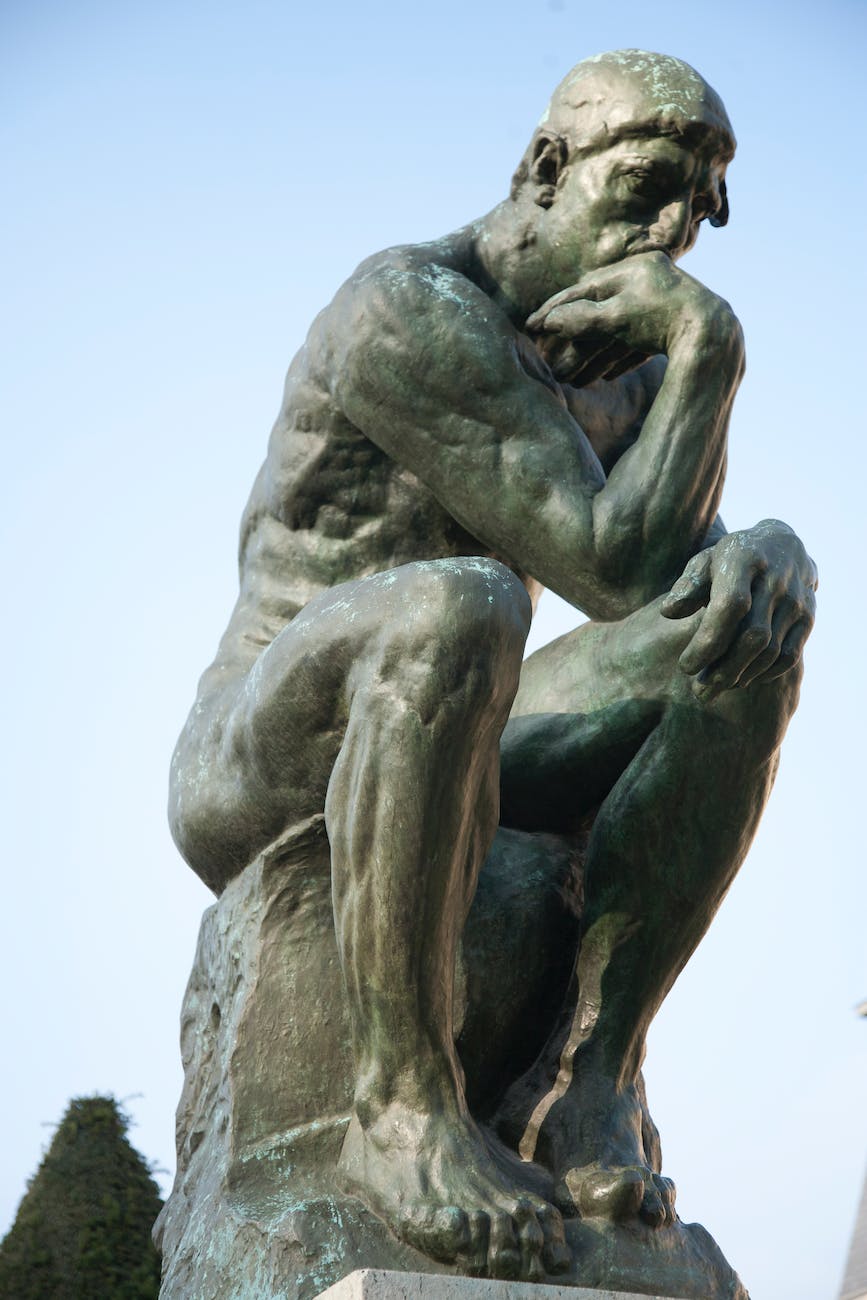
I reckon it’s the same drill for values and virtues. If you don’t nail down what they are, you’re pretty much on a never-ending treadmill, right? Without that clear definition, reaching for those values and virtues is like trying to catch smoke with your bare hands. Let’s get real about what we’re chasing – that’s the first step to actually catching it.
Let’s chat about virtues and values for a sec. So, values – they’re like the big-picture principles that steer our beliefs and decisions. They’re the compass guiding us on what matters most. Now, virtues, on the other hand, are the nitty-gritty qualities and traits that shout “moral excellence!” They’re the bits that build up our character. Values lay the groundwork, showing us what’s crucial, and virtues are the cool specifics that we hustle to live out based on those values. It’s like values give us the map, and virtues are the adventures we embark on because of it.
| Explore the full Life’s Compass series for reflections on virtue, character, and the companions who guide us toward a well-ordered life. |
Here is a sample list:
Accountability, Achievement, Action, Appreciation, Attitude, Balance, Bearing, Change, Character, Charity, Community, Conviction, Courage, Creativity, Decisiveness, Dependability, Determination, Devotion, Discernment, Discipline, Discretion, Doggedness, Duty, Education, Endurance, Enthusiasm, Ethics, Excellence, Fairness, Faith, Family, Focus, Fortitude, Freedom, Generosity, Gentleness, Giving, Growth, Health, Hospitality, Humility, Initiative, Inspiration, Integrity, Justice, Knowledge, Leadership, Legacy, Listening, Love, Loyalty, Moderation, Patriotism, Peace, Peacefulness, Perseverance, Perspective, Planning, Preparation, Priorities, Professionalism, Proactivity, Prudence, Purpose, Quality, Recompense, Relaxation, Reputation, Respectability, Responsibility, Romance, Self-control, Sensitivity, Serenity, Service, Stamina, Steadfastness, Stewardship, Tact, Teamwork, Temperance, Tenacity, Timeliness, Tranquility, Trust, Truth, Unselfishness, Value, Vision, Wisdom. And let’s not forget the crucial Freedom!
I break down each value or virtue by crafting a definition and listing out related values or synonyms. Then, I dive into specific actions linked to that virtue or value. What I find super helpful is defining the opposite too – you know, like how love and hate are on opposite ends of the spectrum. Seeing both sides, the positive and the negative, gives me a clearer picture.
But that’s not all! I’m all about gathering quotes, snagging symbols like artwork, and collecting real-life examples that embody the essence of that value or virtue. It’s like creating a little gallery, a visual reminder of what’s important. These quotes, symbols, and exemplars serve as icons or memorials, keeping that value or virtue in my thoughts. It’s my way of making sure it stays front and center, nudging me to give it my best shot in living it out every day.
Numerous men and women embody values or virtues that I find truly admirable and worth aspiring to. These individuals act as reminders—icons and inspirations—of the worthwhile qualities I aim to emulate. Icons play a crucial role as reminders and motivators, urging us to stay true to the values or traits we want to pursue. It’s key to bear in mind that these people aren’t flawless. If you try this and you notice too many shortcomings, or if the flaws seem insurmountable, it might be wise to reconsider holding them up as heroic icons for yourself.
Maybe that’s why fictional characters work so well as exemplars. Often, they can embody the ideal attribute or value without the real-life baggage that comes with actual people. I believe many fictional characters in comic books, movies, and literature serve as powerful exemplars. Take Captain Ahab from Moby Dick, for instance—a prime example of the perils of revenge. Ahab’s relentless pursuit of vengeance against the whale makes him toss reason, morality, and the well-being of his crew aside. His monomania becomes a destructive force that ultimately leads to tragedy. In literature and popular culture, characters like Captain Ahab are frequently used as archetypes to delve into the consequences of unchecked obsession and the human capacity for self-destructive behavior. A perfect icon for how not to be!
Check out this list of exemplary individuals:
- George Washington: Selfless service to one’s country
- Rosa Parks: Defiance of injustice, catalyst for change
- William Wallace: Champion of freedom
- Martin Luther King Jr.: Advocate for peace and freedom
- Job: Exemplifies perseverance
- King Leonidas: Demonstrates determination, sacrifice, and perseverance
- Cincinnatus: Known for selfless service to one’s country
- John Newton & Iron Man: Embodies the concept of recompense
- Spiderman: Symbolizes responsibility
- Mother Teresa: Epitome of charity
- Albert Einstein: Exemplifies creativity and continuous learning
- Peter Waldo: Rebel against the system
The beauty is, whether they’re from the realms of fiction or reality, you can always find individuals who embody the virtues and values you hold dear. These people, be they real or fictional, serve as powerful reminders of both exemplary and cautionary behavior. Their stories resonate with us, urging us to reflect on the qualities that matter most. Your list will be as unique as you are—choose those individuals who, in your eyes, truly personify the virtues and values that resonate with your core beliefs. Whether it’s a historical figure, a character from a novel, or someone from contemporary life, the key is to let these examples guide you in navigating the twists and turns of your own journey.
Canceled
A word of caution if anyone is thinking of putting someone on a pedestal: let’s be mindful not to elevate them beyond the ideals they represent. Falling into the trap of saint worship isn’t the move. Instead, let’s zoom in on the values and attributes they embody without turning them into infallible icons – that’s where the real value lies.
“It is to be lamented, however, that great characters are seldom without a blot.” – George Washington
No one is flawless. But does that mean we can’t glean something meaningful from their experiences?
“Every person you meet knows something you don’t; learn from them.” – H. Jackson Brown Jr.
“Every person is my superior in some way, and in that, I learn from them.”
Everyone’s got a unique perspective to offer. Personally, I find inspiration in historical figures and characters, using their stories as a source of motivation for myself and others. But here’s the kicker: I struggle with slapping the labels of hero or saint on anyone. Why? Well, I fear that some unknown aspect of their life might cast a shadow on me for having bestowed such an honor.
In today’s culture, it appears challenging to label individuals as heroes, exemplars, saints, icons, or worthy examples. The prevailing trend involves scrutinizing historical figures for actions we disagree with and, based on that judgment, opting to “cancel” or dismiss any positive contributions they may have made to society.
Cancel culture is a contemporary social phenomenon wherein individuals, particularly public or historical figures, experience intense backlash, public shaming, and potential professional repercussions due to perceived offensive actions, statements, or behaviors. A related concept is “presentism,” which denotes the inclination to judge historical figures using today’s values. Presentism involves interpreting past events, cultures, or individuals through the lens of contemporary standards, norms, and values. This approach can distort our understanding of history, imposing current beliefs and moral standards onto people and societies from different eras.
Presentism disregards the concept of cultural relativism, which recognizes that diverse cultures hold different sets of values and moral standards. Passing judgment on historical figures without considering the cultural context of their time is inherently unfair. To comprehend historical events and individuals accurately, one must delve into the context of their era. Imposing contemporary values without acknowledging historical circumstances can lead to misunderstandings regarding motives, actions, and consequences. The application of today’s ethical standards to historical figures poses ethical dilemmas and may result in the dismissal of entire figures based on a single aspect conflicting with current values. Regardless of our opinions, our present state, for better or worse, is a consequence of the actions of these historical figures. Canceling them means forfeiting a part of our cultural identity.
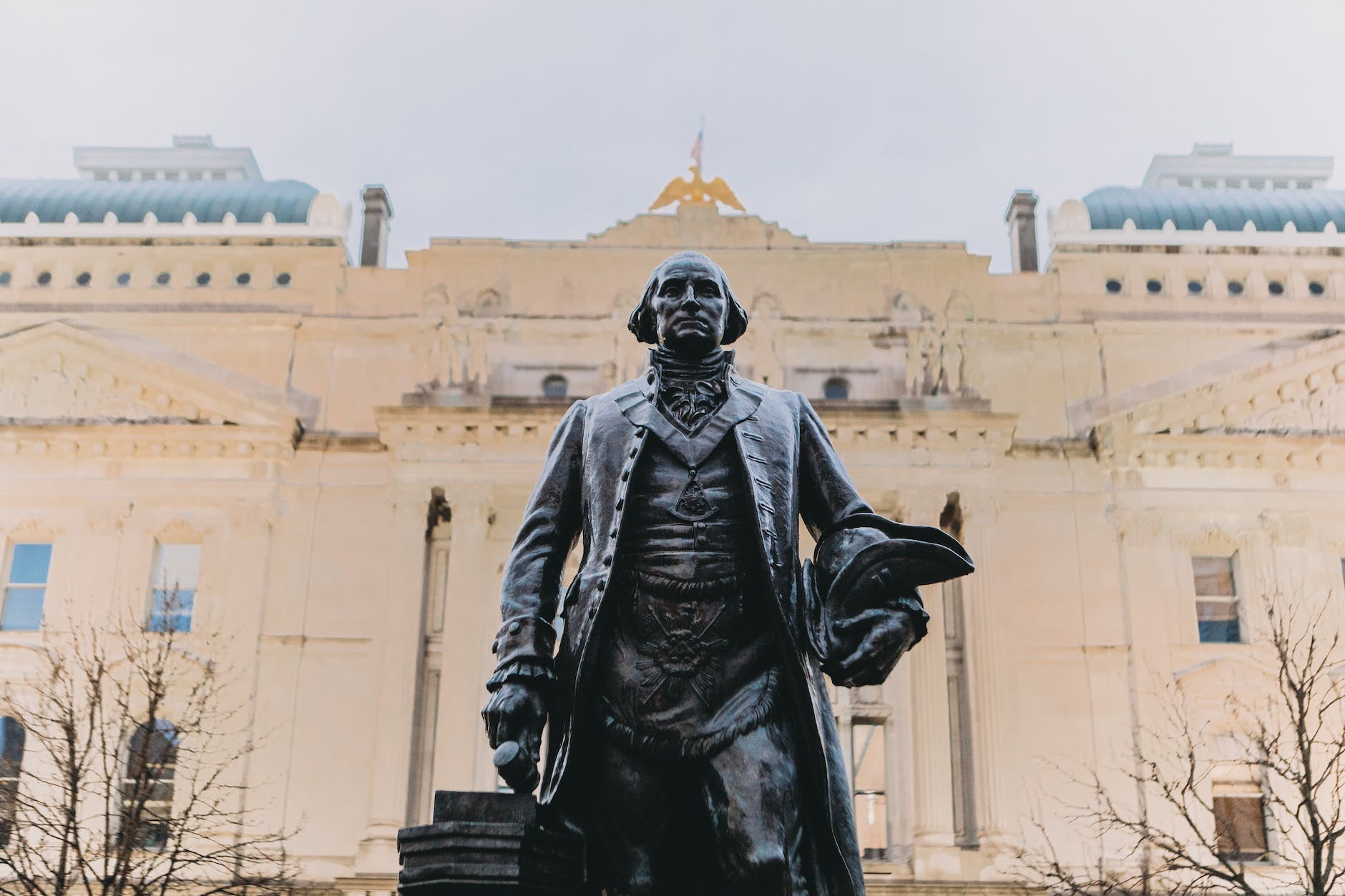
Consider George Washington as an example. In contemporary times, there’s a tendency to dismiss his quotes or diminish his role in the nation’s founding due to his ownership of slaves. While it’s true that he owned slaves—an aspect we’ve progressed beyond as a society—does that necessarily warrant complete rejection? George Washington was renowned as a politician who prioritized the nation’s welfare over personal gain. He could have become the United States’ king but declined, influenced in part by his admiration for a “hero” or “exemplar”: Cincinnatus. Cincinnatus is often held up as a model of civic virtue and the ideal of selfless service to the state.
It’s hard to find a politician today who can measure up to George Washington in terms of civic virtue and the commitment to selfless service for the state. The notion that every person is my superior in some way is relevant here. While we may consider ourselves morally superior for not owning slaves, there’s still room to learn from Washington’s dedication to selfless civic duty. It’s a reminder not to rush into judgment too hastily.
I am also keenly aware of my own faults and am reminded daily that no one, but God, is perfect. We all struggle with vice and our own chains. Yet I do earnestly wish to pursue, with His help, the goal to which I am have been appointed for.
Embrace the lessons from history and fiction alike; let them guide you in understanding the complexities of virtues and values. In a world where cancel culture threatens to overshadow the nuances of our past, let’s challenge ourselves to appreciate individuals for both their triumphs and shortcomings. Recognize that even historical figures, like us, are products of their time. Take a cue from those who’ve gone before—heroes, exemplars, and even the flawed characters—who can serve as beacons of inspiration. Aspire to embody virtues without putting anyone on an infallible pedestal. Together, let’s engage in a thoughtful exploration of the values that shape us, acknowledging that our collective journey is enriched by the diverse stories of those who paved the way.
Excerpt
The post emphasizes the importance of intentionally cultivating values and virtues in life to achieve personal excellence. It highlights the distinction between values as guiding principles and virtues as character traits. The author encourages learning from both real and fictional exemplars, while also cautioning against idealizing individuals by recognizing their flaws.

 Treasures of the Elysian Fields
Leave a comment